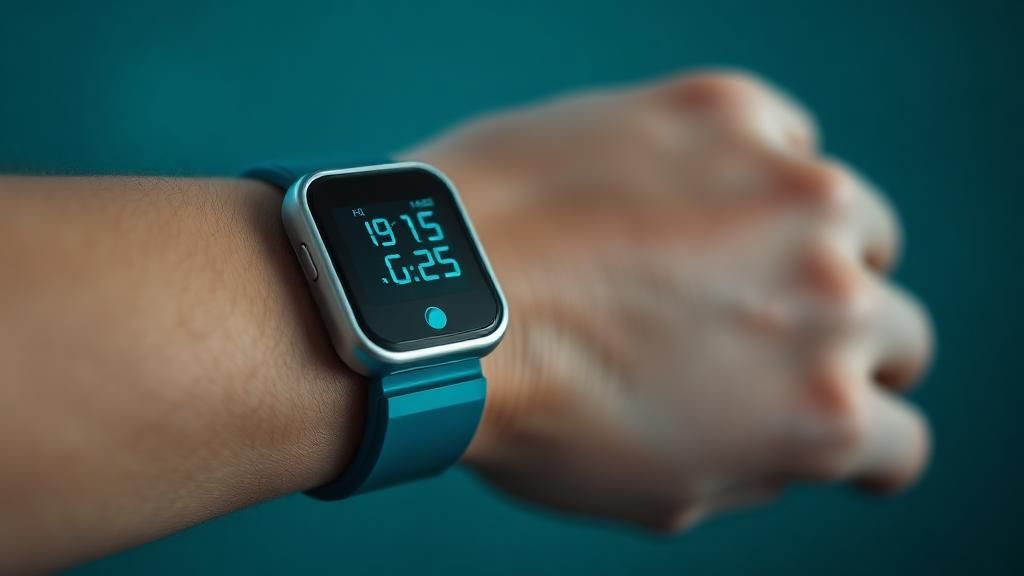
Understanding Continuous Glucose Monitoring Technology
Continuous glucose monitors (CGMs) represent one of the most transformative advances in diabetes care in the past two decades. These remarkable devices have fundamentally changed how patients and clinicians approach blood sugar management, offering unprecedented insight into glucose patterns and enabling more precise, personalized treatment strategies.
As an endocrinologist who has witnessed the evolution of diabetes technology firsthand, I am continually amazed by how CGMs have empowered my patients to take control of their diabetes in ways that were simply not possible with traditional finger-stick monitoring alone.
What Is a Continuous Glucose Monitor?
A CGM is a wearable device that measures glucose levels in the interstitial fluid—the fluid between your cells—continuously throughout the day and night. Unlike traditional blood glucose meters that provide single-point measurements, CGMs deliver a glucose reading every one to five minutes, creating a comprehensive picture of your glucose trends over time.
How CGMs Work
Modern CGMs consist of three main components:
- The sensor: A tiny, flexible filament inserted just beneath the skin that measures glucose levels in the interstitial fluid through an electrochemical reaction
- The transmitter: A small device attached to the sensor that wirelessly sends glucose data to a receiver or smartphone
- The display device: A dedicated receiver or smartphone app that shows your current glucose, trend arrows, and historical data
Sensors are typically worn on the abdomen or arm and are replaced every 7-14 days, depending on the device. The transmitter is reusable and lasts several months before replacement.
Interstitial Glucose vs. Blood Glucose
It is important to understand that CGMs measure glucose in the interstitial fluid, not directly in the blood. There is typically a 5-15 minute lag between interstitial glucose and blood glucose. This means that during periods of rapidly changing glucose—such as after meals or during exercise—CGM readings may not perfectly match a fingerstick reading at the same moment.
Modern CGM algorithms have become remarkably accurate, but understanding this physiological lag helps patients interpret their data appropriately and make safer treatment decisions.
Current CGM Systems Available
Several CGM systems are currently available, each with unique features and benefits:
Dexcom G7
The Dexcom G7 is the latest generation from the leading CGM manufacturer. Key features include:
- 10-day sensor wear time
- 30-minute warm-up period (significantly faster than previous generations)
- Factory-calibrated—no fingerstick calibrations required
- Real-time sharing with up to 10 followers
- Integration with insulin pumps and smart pens
- Water-resistant design
FreeStyle Libre 3
Abbott's FreeStyle Libre 3 offers a smaller, more discreet profile:
- 14-day sensor wear time
- Smallest CGM sensor currently available
- Real-time glucose readings (upgraded from the scan-to-read Libre 2)
- Factory-calibrated with no fingerstick calibrations
- Smartphone-based display system
- Generally lower cost than competitors
Medtronic Guardian 4
Medtronic's system is designed primarily for integration with Medtronic insulin pumps:
- 7-day sensor wear time
- Designed for use with Medtronic insulin pump systems
- Predictive alerts for high and low glucose
- Integration with automated insulin delivery systems
The Clinical Benefits of CGM Technology
Research and clinical experience have demonstrated numerous benefits of CGM use for diabetes management.
Improved A1C Levels
Multiple randomized controlled trials have shown that CGM use leads to significant improvements in hemoglobin A1C—the standard measure of long-term blood sugar control. Studies demonstrate average A1C reductions of 0.5-1.0% in patients who consistently use CGM technology, with some patients achieving even greater improvements.
Reduced Hypoglycemia
Perhaps even more importantly than A1C improvement, CGM use significantly reduces dangerous low blood sugar events. The predictive alerts warn users when glucose is trending low, allowing intervention before severe hypoglycemia occurs. For patients with hypoglycemia unawareness—those who do not feel their lows—CGM can be literally life-saving.
Time in Range: A New Metric
CGM has introduced the concept of "Time in Range" (TIR)—the percentage of time glucose levels remain within a target range, typically 70-180 mg/dL. TIR provides a more complete picture of glucose control than A1C alone. Current guidelines recommend aiming for at least 70% TIR for most adults with diabetes.
Pattern Recognition and Personalized Insights
Perhaps the most valuable aspect of CGM is the ability to identify glucose patterns that would be invisible with intermittent fingerstick testing:
- Post-meal glucose spikes and how different foods affect you individually
- Overnight glucose patterns, including undetected nocturnal hypoglycemia
- The impact of exercise, stress, sleep, and illness on glucose levels
- Dawn phenomenon and pre-breakfast glucose rises
Who Should Use a CGM?
While CGMs were initially approved primarily for Type 1 diabetes, indications have expanded significantly. Current evidence supports CGM use for:
Strongly Recommended
- All individuals with Type 1 diabetes
- Type 2 diabetes patients using multiple daily insulin injections
- Patients with frequent or severe hypoglycemia
- Patients with hypoglycemia unawareness
- Pregnant women with diabetes
- Patients struggling to achieve glucose targets
Consider for
- Type 2 diabetes patients on basal insulin
- Type 2 diabetes patients on other injectable medications
- Patients who want more detailed glucose data to optimize lifestyle interventions
- Prediabetes patients interested in understanding their glucose patterns
Getting Started with CGM: Practical Guidance
If you are considering a CGM, here is what you need to know about getting started.
Insurance Coverage
CGM coverage has improved dramatically in recent years. Medicare now covers CGMs for eligible patients with diabetes, and most commercial insurance plans offer coverage with varying copays. However, coverage criteria and out-of-pocket costs vary significantly between plans and devices.
Initial Adjustment Period
When you first start using a CGM, expect an adjustment period. Many patients find the continuous data initially overwhelming—seeing glucose fluctuations that were always happening but previously invisible can cause anxiety. This typically improves within the first few weeks as you learn to interpret the data constructively.
Maximizing CGM Benefits
To get the most from your CGM:
- Set appropriate alerts: Work with your healthcare team to customize alert thresholds that are informative without causing alarm fatigue
- Review patterns weekly: Set aside time each week to review your CGM reports and identify areas for improvement
- Share with your healthcare team: Most CGM platforms allow data sharing, enabling more productive telehealth and in-person visits
- Experiment thoughtfully: Use the real-time feedback to learn how your body responds to different foods, activities, and situations
- Be patient: Behavior change takes time. Focus on progress, not perfection
The Future of CGM Technology
CGM technology continues to evolve rapidly. Exciting developments on the horizon include:
- Longer wear times (potentially 30+ days)
- Smaller, more discreet sensors
- Improved accuracy with reduced lag times
- Integration with artificial intelligence for predictive insights
- Non-invasive CGM options (still in development)
- Broader integration with automated insulin delivery systems
Taking the Next Step
If you have diabetes and are not yet using a CGM, I strongly encourage you to discuss this technology with your endocrinologist. The insights provided by continuous glucose monitoring can transform your understanding of your diabetes and empower you to achieve better control with greater confidence.
At Palm Beach Thyroid and Endocrinology Wellness, we are committed to bringing the latest diabetes technology to our patients. We can help you determine if CGM is right for you, navigate insurance coverage, and provide the education and support you need to maximize the benefits of this remarkable technology.
Schedule a consultation to learn how continuous glucose monitoring can transform your diabetes management and improve your quality of life.
About the Author
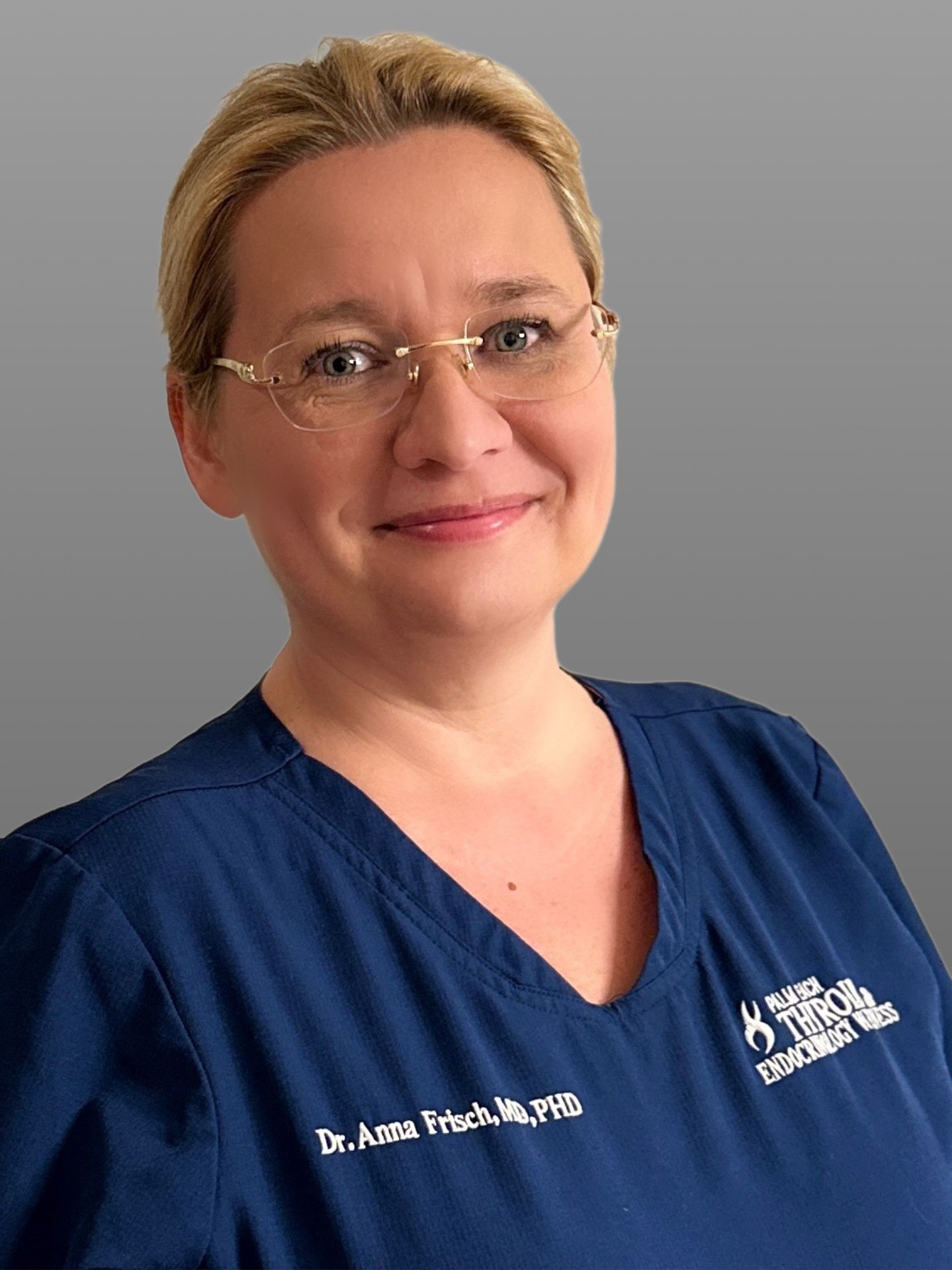
Dr. Anna Frisch, MD, PhD
Dr. Anna Frisch is a board-certified endocrinologist with over 30 years of experience specializing in thyroid disorders, diabetes management, and hormone optimization. She founded Palm Beach Thyroid & Endocrinology Wellness to provide exceptional, personalized endocrine care to patients throughout Florida.
This article is for educational purposes only and does not constitute medical advice. Please consult with your physician for personalized recommendations.
Stay Updated on Thyroid Health
Get the latest insights, research updates, and wellness tips from Dr. Anna Frisch delivered to your inbox.
Join 5,000+ subscribers. Unsubscribe anytime.