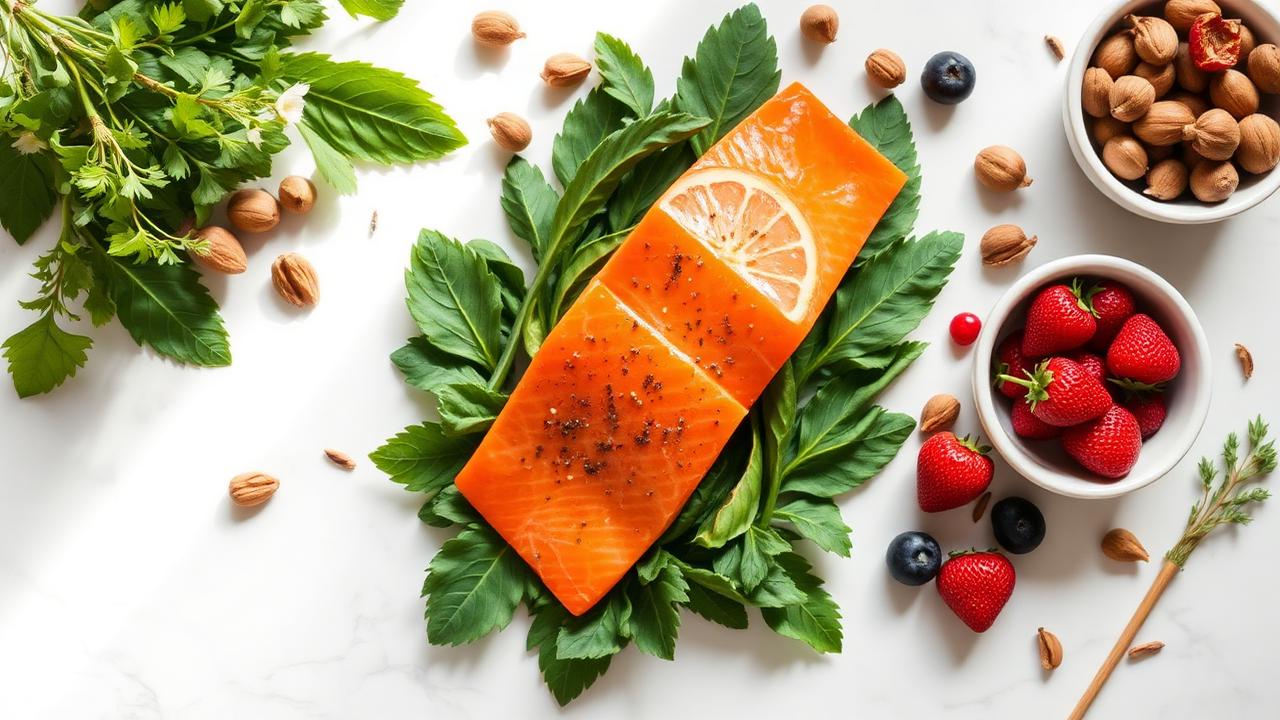
Discover the essential nutrients your thyroid needs to function optimally. Learn about iodine, selenium, zinc, and other key nutrients.
Dr. Anna Frisch
MD, PhD · Board Certified Endocrinologist
<p class="lead">Your thyroid gland requires specific nutrients to produce hormones efficiently and maintain optimal function. Understanding these nutritional requirements, and how to meet them through diet and appropriate supplementation, can support thyroid health alongside conventional medical treatment.</p>
<h2>The Nutritional Building Blocks of Thyroid Hormones</h2>
<p>Thyroid hormone production is a complex biochemical process that depends on several key nutrients. Deficiencies in these nutrients can impair thyroid function even when the gland itself is healthy.</p>
<h2>Iodine: The Foundation of Thyroid Hormones</h2>
<p>Iodine is the most critical nutrient for thyroid function, it's literally incorporated into the structure of thyroid hormones. The "4" and "3" in T4 and T3 refer to the number of iodine atoms attached to each hormone molecule.</p>
<h3>Daily Requirements</h3>
<ul>
<li>Adults: 150 mcg/day</li>
<li>Pregnant women: 220 mcg/day</li>
<li>Breastfeeding women: 290 mcg/day</li>
</ul>
<h3>Food Sources</h3>
<p>Seaweed (particularly kelp, nori, kombu), iodized salt, fish and shellfish (especially cod, tuna, shrimp), dairy products, and eggs are excellent iodine sources.</p>
<h3>Important Considerations</h3>
<p>While iodine deficiency impairs thyroid function, excessive iodine can also be problematic, particularly for those with autoimmune thyroid disease (Hashimoto's or Graves'). High iodine intake can trigger or worsen thyroid inflammation in susceptible individuals. The upper limit is 1,100 mcg/day for adults. Most people in developed countries get adequate iodine from iodized salt and dairy products.</p>
<h2>Selenium: Essential for Hormone Conversion</h2>
<p>Selenium plays a crucial role in thyroid function through several mechanisms. It's required for the enzymes (deiodinases) that convert inactive T4 to active T3. It helps protect the thyroid from oxidative damage during hormone production. Low selenium is associated with increased autoimmune thyroid disease risk.</p>
<h3>Daily Requirements</h3>
<p>Adults need 55 mcg/day, with an upper limit of 400 mcg/day.</p>
<h3>Food Sources</h3>
<p>Brazil nuts (1-2 nuts provide the daily requirement), fish (tuna, halibut, sardines), organ meats, eggs, and sunflower seeds are rich in selenium.</p>
<h3>Clinical Evidence</h3>
<p>Studies have shown that selenium supplementation can reduce TPO antibody levels in patients with Hashimoto's thyroiditis, improve quality of life in some patients with autoimmune thyroid disease, and may reduce the risk of postpartum thyroiditis. However, selenium should not be over-supplemented, as toxicity (selenosis) can occur with chronic intake above 400 mcg/day.</p>
<h2>Zinc: Supporting Hormone Synthesis</h2>
<p>Zinc contributes to thyroid function by being required for TSH synthesis in the pituitary, playing a role in T3 binding to nuclear receptors, and supporting immune function relevant to autoimmune thyroid conditions.</p>
<h3>Daily Requirements</h3>
<p>Men need 11 mg/day; women need 8 mg/day.</p>
<h3>Food Sources</h3>
<p>Oysters (the richest source), beef and other red meats, poultry, beans, nuts, and whole grains provide zinc.</p>
<h3>Special Considerations</h3>
<p>Zinc deficiency is more common in vegetarians, older adults, those with GI disorders, and people taking certain medications (like proton pump inhibitors). Symptoms of deficiency include impaired wound healing, hair loss, and frequent infections.</p>
<h2>Iron: Often Overlooked in Thyroid Health</h2>
<p>Iron is essential for thyroid peroxidase (TPO), the enzyme that incorporates iodine into thyroid hormones. Iron deficiency impairs thyroid hormone synthesis and can worsen hypothyroid symptoms.</p>
<h3>The Thyroid-Iron Connection</h3>
<p>Hypothyroidism can reduce iron absorption, and iron deficiency can impair thyroid function, creating a problematic cycle. Women with heavy periods (common in hypothyroidism) are at particular risk for iron deficiency.</p>
<h3>Optimal Levels</h3>
<p>While "normal" ferritin ranges are often quoted as 12-150 ng/mL, optimal thyroid function typically requires ferritin levels of 70-90 ng/mL or higher.</p>
<h3>Food Sources</h3>
<p>Red meat, organ meats, poultry, fish, legumes, spinach, and fortified cereals provide iron. Pair plant-based iron sources with vitamin C to enhance absorption.</p>
<h2>Vitamin D: The Immune-Thyroid Connection</h2>
<p>Vitamin D influences thyroid health primarily through its effects on the immune system. Vitamin D deficiency is associated with increased risk of autoimmune thyroid diseases. Low levels are found in up to 90% of Hashimoto's patients in some studies. Vitamin D helps regulate immune responses that may attack the thyroid.</p>
<h3>Optimal Levels</h3>
<p>While 30 ng/mL is often cited as sufficient, many endocrinologists recommend levels of 40-60 ng/mL for optimal immune function.</p>
<h3>Sources</h3>
<p>Sunlight exposure (10-30 minutes midday, depending on skin tone), fatty fish, fortified dairy products, egg yolks, and supplementation when needed provide vitamin D.</p>
<h2>B Vitamins: Energy and Metabolism Support</h2>
<p>B vitamins support thyroid function and help manage symptoms of thyroid dysfunction.</p>
<h3>Vitamin B12</h3>
<p>Particularly important because B12 deficiency is common in autoimmune thyroid disease (both conditions involve autoimmune mechanisms). Symptoms of B12 deficiency (fatigue, brain fog, numbness) overlap with hypothyroidism.</p>
<h3>Other B Vitamins</h3>
<p>Riboflavin (B2) is needed for thyroid hormone metabolism. Thiamine (B1) deficiency can worsen fatigue. Folate works with B12 for cellular function.</p>
<h2>Potential Goitrogens: Foods That Affect Thyroid Function</h2>
<p>Certain foods contain compounds called goitrogens that can interfere with thyroid function, but the clinical significance is often overstated.</p>
<h3>Cruciferous Vegetables</h3>
<p>Broccoli, cauliflower, cabbage, kale, and Brussels sprouts contain glucosinolates that can theoretically interfere with iodine uptake. However, cooking significantly reduces goitrogen content. Normal dietary amounts are not problematic for most people. The nutritional benefits far outweigh theoretical risks. People with iodine deficiency or severe hypothyroidism may want to moderate raw cruciferous intake.</p>
<h3>Soy Products</h3>
<p>Soy isoflavones can interfere with thyroid hormone absorption and thyroid peroxidase activity. However, moderate soy consumption is generally safe for those with adequate iodine intake. Those taking thyroid medication should separate soy consumption from medication by several hours.</p>
<h2>Practical Dietary Recommendations</h2>
<h3>Foods to Emphasize</h3>
<ul>
<li>Wild-caught fish (2-3 servings weekly for iodine, selenium, omega-3s)</li>
<li>Brazil nuts (1-2 daily for selenium)</li>
<li>Eggs (iodine, selenium, B12)</li>
<li>Quality proteins (zinc, iron, B vitamins)</li>
<li>Colorful vegetables (antioxidants, fiber)</li>
<li>Berries (antioxidants, vitamin C)</li>
</ul>
<h3>Foods to Moderate</h3>
<ul>
<li>Raw cruciferous vegetables (cook when possible)</li>
<li>Soy products (moderate amounts, separate from medication)</li>
<li>Processed foods (may contain hidden goitrogens and lack nutrients)</li>
<li>Gluten (for those with Hashimoto's who also have celiac disease or gluten sensitivity)</li>
</ul>
<h2>When Supplementation May Help</h2>
<p>Consider targeted supplementation if you have documented deficiencies on blood testing, dietary restrictions (vegetarian/vegan), autoimmune thyroid disease, or malabsorption conditions.</p>
<p>Always work with your healthcare provider to test levels before supplementing and choose quality supplements from reputable manufacturers. More is not always better, excess supplementation can cause problems.</p>
<h2>The VitellaMD Approach</h2>
<p>For those seeking physician-formulated nutraceuticals designed specifically for thyroid support, VitellaMD Nutraceuticals offers targeted formulations developed by endocrinology specialists. These nutraceuticals are designed to complement, not replace, proper medical care and dietary approaches.</p>
<p>At Palm Beach Thyroid & Endocrinology Wellness, we provide comprehensive nutritional assessment as part of thyroid care, helping patients optimize their diet and supplementation for better outcomes.</p>
<p><em>This article is for educational purposes only and does not constitute medical advice. Always consult with a qualified healthcare provider for personalized recommendations.</em></p>
About the Author
Dr. Anna Frisch, MD, PhD
Dr. Anna Frisch is a board-certified endocrinologist with over 30 years of experience specializing in thyroid disorders, diabetes management, and hormone optimization. She founded Palm Beach Thyroid & Endocrinology Wellness to provide exceptional, personalized endocrine care to patients throughout Florida. She is one of the few board-certified endocrinologists in the US leading a cosmetic medicine practice.
This article is for educational purposes only and does not constitute medical advice. Please consult with your physician for personalized recommendations.
Stay Updated on Thyroid Health
Get the latest insights, research updates, and wellness tips from Dr. Anna Frisch delivered to your inbox.