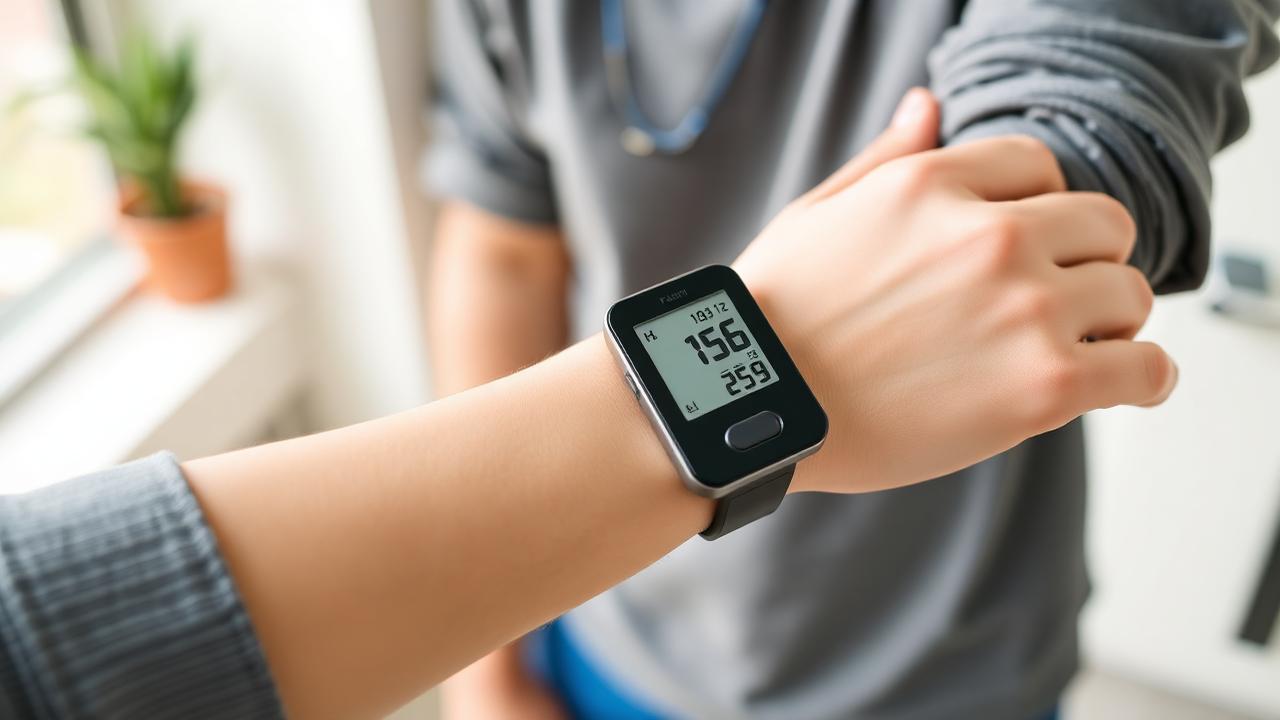
Learn about insulin resistance, its connection to diabetes and thyroid health, and evidence-based strategies for reversal. Expert guidance from Dr. Anna Frisch.
Dr. Anna Frisch
MD, PhD · Board Certified Endocrinologist
# Insulin Resistance: The Hidden Epidemic Affecting Millions
Insulin resistance has become one of the most significant health challenges of our time, affecting an estimated 88 million American adults, many of whom don't know they have it. As an endocrinologist, I see the devastating consequences of undiagnosed insulin resistance daily: type 2 diabetes, heart disease, fatty liver disease, and even certain cancers. Understanding this condition is the first step toward preventing its serious complications.
## What Is Insulin Resistance?
### The Normal Insulin Response
To understand insulin resistance, we must first appreciate how insulin normally works. When you eat carbohydrates, your digestive system breaks them down into glucose, which enters your bloodstream. Rising blood glucose signals your pancreas to release insulin, the "key" that unlocks cells to allow glucose entry.
In healthy individuals, this process works efficiently:
1. Blood glucose rises after eating
2. Pancreas releases insulin
3. Insulin binds to cell receptors
4. Glucose enters cells for energy or storage
5. Blood glucose returns to normal
6. Insulin levels decrease
### When the System Breaks Down
In insulin resistance, cells become less responsive to insulin's signal. The pancreas compensates by producing more insulin, creating a state of hyperinsulinemia. Initially, this compensation maintains normal blood glucose levels, but the elevated insulin causes widespread metabolic disruption.
The progression typically follows this pattern:
**Stage 1: Compensated Insulin Resistance** - Cells resist insulin, but the pancreas produces enough to maintain normal glucose. Fasting glucose and A1c remain normal, but fasting insulin is elevated.
**Stage 2: Impaired Glucose Tolerance** - Pancreatic compensation begins failing. Post-meal glucose spikes, though fasting glucose may remain normal.
**Stage 3: Prediabetes** - Fasting glucose rises to 100-125 mg/dL or A1c reaches 5.7-6.4%. The pancreas struggles to keep pace.
**Stage 4: Type 2 Diabetes** - Fasting glucose exceeds 126 mg/dL or A1c reaches 6.5%+. Pancreatic beta cells may be damaged from years of overwork.
## The Causes of Insulin Resistance
### Genetic Factors
Genetics account for approximately 50% of insulin resistance risk. Key genetic influences include:
- **Family history**: First-degree relatives with type 2 diabetes significantly increase risk
- **Ethnic background**: Higher prevalence in African American, Hispanic, Native American, and Asian populations
- **Thrifty gene hypothesis**: Genes that promoted fat storage during feast-famine cycles now predispose to obesity and insulin resistance in food-abundant environments
### Lifestyle Factors
Modifiable factors play a crucial role:
**Excess Body Fat**: Adipose tissue isn't just storage, it's an active endocrine organ. Visceral fat (abdominal fat surrounding organs) is particularly harmful, producing:
- Inflammatory cytokines (TNF-α, IL-6)
- Resistin and other adipokines
- Free fatty acids that interfere with insulin signaling
**Physical Inactivity**: Muscle is the primary site of glucose disposal. Sedentary behavior:
- Reduces glucose transporter (GLUT4) expression
- Decreases mitochondrial function
- Promotes intramyocellular lipid accumulation
**Dietary Patterns**: Certain eating patterns worsen insulin resistance:
- Excessive refined carbohydrates and added sugars
- Ultra-processed foods
- High saturated fat intake
- Low fiber consumption
- Caloric excess regardless of macronutrient composition
**Sleep Deprivation**: Even one night of poor sleep impairs insulin sensitivity. Chronic sleep debt:
- Increases cortisol
- Disrupts circadian glucose rhythms
- Promotes hunger hormones
**Chronic Stress**: Elevated cortisol directly opposes insulin action and promotes visceral fat accumulation.
### Medical Conditions
Several conditions cause or worsen insulin resistance:
- **Polycystic Ovary Syndrome (PCOS)**: Affects 70-80% of women with PCOS
- **Non-Alcoholic Fatty Liver Disease (NAFLD)**: Both cause and consequence of insulin resistance
- **Sleep Apnea**: Intermittent hypoxia and sleep fragmentation impair insulin sensitivity
- **Lipodystrophy**: Fat distribution disorders
- **Cushing's Syndrome**: Cortisol excess
- **Acromegaly**: Growth hormone excess
## Recognizing the Signs
### Clinical Signs and Symptoms
Insulin resistance often produces subtle signs before diabetes develops:
**Acanthosis Nigricans**: Dark, velvety skin patches in body folds, neck, armpits, groin, under breasts. This is caused by insulin's growth-promoting effects on skin cells.
**Skin Tags**: Small, soft growths often accompanying acanthosis nigricans.
**Central Obesity**: Waist circumference >40 inches (men) or >35 inches (women) strongly correlates with insulin resistance.
**Fatigue After Meals**: Post-prandial energy crashes despite adequate food intake.
**Hunger and Cravings**: Hyperinsulinemia can cause reactive hypoglycemia, triggering hunger cycles.
**Brain Fog**: Glucose variability affects cognitive function.
**Difficulty Losing Weight**: Elevated insulin promotes fat storage and inhibits fat burning.
### Laboratory Markers
Comprehensive metabolic assessment reveals:
**Fasting Insulin**: Often elevated before glucose abnormalities appear. Levels >10-12 μIU/mL suggest insulin resistance.
**HOMA-IR (Homeostatic Model Assessment)**: Calculated from fasting glucose and insulin. Values >2.0 indicate insulin resistance.
**Triglyceride/HDL Ratio**: Ratio >3.0 suggests insulin resistance and atherogenic dyslipidemia.
**Lipid Profile Abnormalities**:
- Elevated triglycerides (often >150 mg/dL)
- Low HDL cholesterol (<40 mg/dL men, <50 mg/dL women)
- Small, dense LDL particles (more atherogenic)
**Elevated Uric Acid**: Hyperinsulinemia reduces kidney uric acid excretion.
**Liver Enzymes**: Elevated ALT may indicate fatty liver disease.
**Inflammatory Markers**: CRP and other inflammatory markers often elevated.
## The Consequences of Untreated Insulin Resistance
### Metabolic Syndrome
Insulin resistance is the central driver of metabolic syndrome, defined by three or more of:
- Waist circumference >40" (men) or >35" (women)
- Triglycerides ≥150 mg/dL
- HDL <40 mg/dL (men) or <50 mg/dL (women)
- Blood pressure ≥130/85 mmHg
- Fasting glucose ≥100 mg/dL
Metabolic syndrome doubles cardiovascular disease risk and increases diabetes risk five-fold.
### Cardiovascular Disease
Insulin resistance promotes atherosclerosis through multiple mechanisms:
- Endothelial dysfunction
- Increased inflammation
- Prothrombotic state
- Atherogenic dyslipidemia
- Hypertension
Cardiovascular disease remains the leading cause of death in people with insulin resistance and diabetes.
### Non-Alcoholic Fatty Liver Disease
NAFLD affects up to 70% of individuals with insulin resistance. Progression includes:
- Simple steatosis (fat accumulation)
- Non-alcoholic steatohepatitis (NASH)
- Fibrosis
- Cirrhosis
- Hepatocellular carcinoma
### Cancer Risk
Hyperinsulinemia promotes cell proliferation and inhibits apoptosis. Elevated cancer risk includes:
- Colon cancer
- Breast cancer (postmenopausal)
- Endometrial cancer
- Pancreatic cancer
### Cognitive Decline
Insulin resistance in the brain, sometimes called "type 3 diabetes", is associated with:
- Cognitive impairment
- Alzheimer's disease
- Vascular dementia
## Treatment and Reversal
### Lifestyle Interventions
Lifestyle modification remains the most powerful treatment for insulin resistance:
**Dietary Strategies**:
- Reduce refined carbohydrates and added sugars
- Emphasize fiber-rich vegetables, legumes, and whole grains
- Include lean proteins at each meal
- Choose healthy fats (olive oil, nuts, avocado, fatty fish)
- Consider time-restricted eating or intermittent fasting
- Aim for modest caloric deficit if overweight
**Physical Activity**:
- Resistance training is particularly effective for improving insulin sensitivity
- Aim for 150+ minutes moderate aerobic activity weekly
- Reduce prolonged sitting with movement breaks
- Consider high-intensity interval training (HIIT)
**Weight Loss**:
- Even 5-7% weight loss significantly improves insulin sensitivity
- 10%+ weight loss may reverse prediabetes and early diabetes
- Focus on sustainable approaches rather than crash diets
**Sleep Optimization**:
- Aim for 7-9 hours nightly
- Maintain consistent sleep schedule
- Treat sleep apnea if present
- Minimize blue light exposure before bed
**Stress Management**:
- Regular meditation or mindfulness practice
- Adequate leisure time and social connection
- Professional help for anxiety or depression
### Medications
When lifestyle interventions are insufficient:
**Metformin**: First-line medication that improves insulin sensitivity, reduces hepatic glucose production, and may promote modest weight loss.
**GLP-1 Receptor Agonists**: Semaglutide (Ozempic, Wegovy) and similar medications promote weight loss and improve insulin sensitivity.
**Thiazolidinediones (TZDs)**: Pioglitazone improves insulin sensitivity but has side effects limiting use.
**SGLT2 Inhibitors**: While primarily glucose-lowering, these medications promote weight loss and cardiovascular benefits.
### Monitoring Progress
Track improvement with:
- Weight and waist circumference measurements
- Fasting glucose and A1c
- Fasting insulin and HOMA-IR
- Lipid profile
- Blood pressure
- Liver enzymes
- Symptom diary
## Prevention Strategies
### Early Intervention
Preventing insulin resistance begins with:
- Maintaining healthy weight from childhood
- Regular physical activity
- Balanced nutrition
- Adequate sleep
- Stress management
- Regular health screenings
### Identifying At-Risk Individuals
Screen for insulin resistance if you have:
- Family history of type 2 diabetes
- Overweight or obesity
- Sedentary lifestyle
- PCOS
- History of gestational diabetes
- Acanthosis nigricans
- Metabolic syndrome components
## The Path Forward
Insulin resistance is reversible in many cases, especially when caught early. The key is recognizing the condition before diabetes develops and implementing comprehensive lifestyle changes. While genetics load the gun, lifestyle pulls the trigger, and can also prevent it from firing.
If you suspect insulin resistance, don't wait for diabetes to develop. Early intervention can prevent years of health complications and improve your quality of life significantly.
*At Vitella MD, we specialize in comprehensive metabolic evaluation and personalized treatment plans for insulin resistance and prediabetes. Our approach combines advanced testing, evidence-based lifestyle guidance, and medication when appropriate to help you achieve optimal metabolic health.*
About the Author
Dr. Anna Frisch, MD, PhD
Dr. Anna Frisch is a board-certified endocrinologist with over 30 years of experience specializing in thyroid disorders, diabetes management, and hormone optimization. She founded Palm Beach Thyroid & Endocrinology Wellness to provide exceptional, personalized endocrine care to patients throughout Florida. She is one of the few board-certified endocrinologists in the US leading a cosmetic medicine practice.
This article is for educational purposes only and does not constitute medical advice. Please consult with your physician for personalized recommendations.
Stay Updated on Thyroid Health
Get the latest insights, research updates, and wellness tips from Dr. Anna Frisch delivered to your inbox.