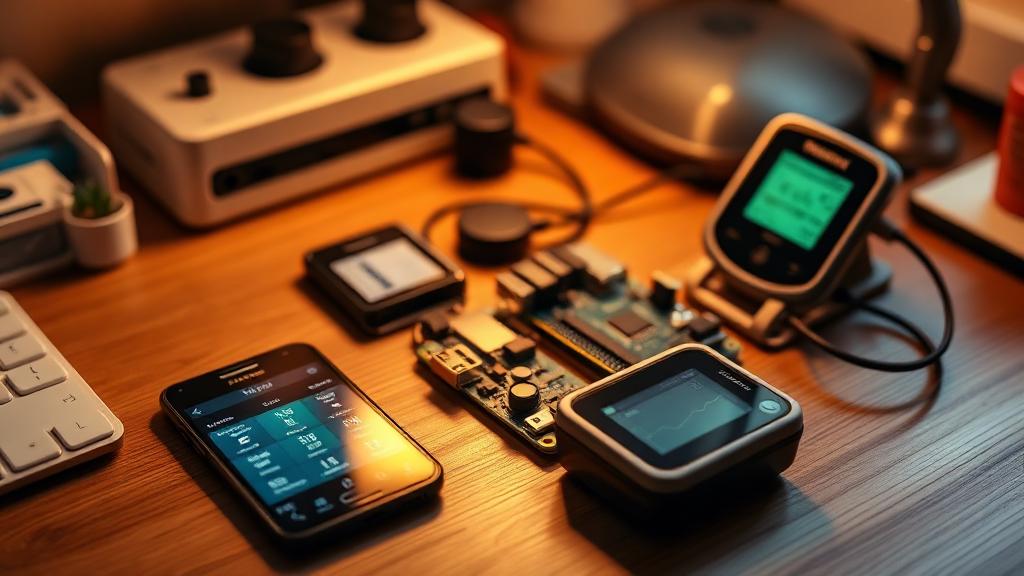
# Loop and DIY Diabetes Technology: The Patient-Led Innovation Movement
In the world of diabetes technology, some of the most significant innovations haven't come from major medical device companies—they've emerged from patients and caregivers who refused to wait for commercial solutions. The DIY (Do-It-Yourself) diabetes technology movement has created open-source automated insulin delivery systems that rival or exceed commercial options in functionality. As an endocrinologist who works with patients using both commercial and DIY systems, I want to provide an honest, comprehensive look at this remarkable movement.
## The Origins of DIY Diabetes Technology
### #WeAreNotWaiting
The DIY diabetes movement crystallized around the hashtag #WeAreNotWaiting, expressing frustration with the slow pace of medical device innovation and regulatory approval. Parents of children with type 1 diabetes, adults living with the condition, and software engineers with diabetes began collaborating to build what the industry wasn't providing.
The movement began with remote CGM monitoring solutions like Nightscout (2014), which allowed parents to view their children's glucose data on their smartphones—a capability not commercially available at the time. This community-driven approach expanded to include automated insulin delivery.
### Key Milestones
**2014**: Nightscout launches, enabling cloud-based CGM data sharing
**2015**: OpenAPS (Open Artificial Pancreas System) becomes the first DIY closed-loop system
**2016**: Loop for iOS launches, bringing AID to iPhone users
**2017**: AndroidAPS provides Android-based closed-loop control
**2019**: Tidepool Loop begins FDA submission process (working to make Loop commercially available)
**2023**: iAPS fork brings algorithmic improvements to iOS community
## Understanding DIY Systems
### How DIY AID Works
DIY automated insulin delivery systems follow the same fundamental principles as commercial systems:
1. **CGM Integration**: Continuous glucose data flows to the algorithm
2. **Algorithm Processing**: Software calculates insulin needs based on current glucose, trends, insulin on board, and user settings
3. **Pump Communication**: Instructions are sent to a compatible insulin pump
4. **Continuous Adjustment**: The cycle repeats every 5 minutes
The difference lies in who develops, maintains, and supports the software—the community rather than a corporation.
### Popular DIY Systems
**Loop (iOS)**:
- Runs on iPhone
- Uses RileyLink or compatible bridge device to communicate with older Medtronic or Omnipod Eros pumps
- Open-source code available on GitHub
- Active community support via Looped Facebook group and Zulip
- Algorithm based on OpenAPS with iOS-specific modifications
- New development supports Omnipod DASH pods
**iAPS (formerly FreeAPS X)**:
- iOS-based fork with advanced algorithm options
- Includes "dynamic ISF" and other oref1 features
- Supports same pumps as Loop
- More customizable for experienced users
- Steeper learning curve
**AndroidAPS**:
- Runs on Android smartphones
- Supports multiple pump options including DANA, Omnipod DASH, and certain Medtronic models
- Highly customizable
- Requires building the app yourself
- Most feature-rich DIY option
**OpenAPS**:
- The original DIY system
- Runs on small Linux computer (Raspberry Pi)
- Most mature algorithm (oref0/oref1)
- Doesn't require smartphone
- More technical to set up
### Technical Requirements
Running a DIY system requires:
**Compatible Hardware**:
- Compatible insulin pump (older Medtronic 515/522/554/715/722/754, Omnipod Eros/DASH, DANA)
- CGM (Dexcom G5/G6/G7, Libre with modifications)
- Communication device (RileyLink, OrangeLink, EmaLink, or similar for some configurations)
- Smartphone (iPhone or Android depending on system)
**Technical Skills**:
- Ability to follow detailed documentation
- Comfort with basic troubleshooting
- Willingness to learn and problem-solve
- Understanding of insulin dosing principles
- Time investment for initial setup (often 4-8 hours)
**Ongoing Commitment**:
- Regular software updates
- Hardware maintenance
- Community engagement for support
- Personal accountability for system management
## Clinical Outcomes and Evidence
### Published Research
Despite their DIY origins, these systems have been studied in academic research:
**CREATE Trial (2022)**: Randomized controlled trial of 97 participants comparing AndroidAPS to sensor-augmented pump therapy showed:
- 14% improvement in Time in Range (74.5% vs 60.5%)
- Reduced time below range
- No serious adverse events
- High participant satisfaction
**Observational Studies**: Multiple real-world studies demonstrate:
- Time in Range typically 70-80%+
- Significantly reduced A1c (often 6.0-7.0%)
- Reduced hypoglycemia, especially overnight
- Improved quality of life measures
- Reduced diabetes distress
### Safety Considerations
Important safety context:
**Not FDA-Approved**: DIY systems don't have regulatory approval. Users assume responsibility for their own health decisions.
**No Manufacturer Support**: Issues are resolved through community support rather than company helplines.
**Potential Risks**: Improper setup or settings can cause hypoglycemia or hyperglycemia.
**Hardware Failures**: Older pumps may fail; RileyLink-type devices add complexity.
**Software Bugs**: Open-source software, while community-reviewed, may contain bugs.
**Insurance Implications**: Some insurance companies may have policies regarding off-label device use.
### Real-World Performance
Experienced DIY users often achieve exceptional results:
- Time in Range consistently 80%+ for many users
- A1c values in 5.5-6.5% range while minimizing hypoglycemia
- Overnight glucose that rarely leaves target range
- Reduced mental burden of diabetes management
- Greater flexibility with exercise and meals
## Choosing DIY vs Commercial Systems
### Advantages of DIY Systems
**Earlier Access to Features**: DIY systems often have capabilities years before commercial approval:
- Automatic correction boluses
- Dynamic insulin sensitivity factors
- Advanced exercise modes
- Customizable targets and aggressiveness
- Remote bolus capability
**Algorithm Flexibility**: Users can adjust algorithm behavior to match their unique physiology.
**Cost Considerations**: May use older (sometimes less expensive) pump hardware. Software is free.
**Community Innovation**: Rapid development cycle responds to user needs.
**Transparency**: Open-source code can be inspected and understood.
### Advantages of Commercial Systems
**Regulatory Oversight**: FDA approval provides safety validation.
**Manufacturer Support**: Dedicated helplines and troubleshooting resources.
**Insurance Coverage**: Generally easier to get coverage and supplies.
**Simplicity**: Less technical knowledge required.
**Integration**: Designed systems with matched components.
**Legal Protection**: Clear liability framework.
### Who Might Consider DIY
DIY systems may be appropriate for:
- Technically inclined individuals comfortable with self-directed learning
- Those frustrated with commercial system limitations
- Patients whose insurance doesn't cover commercial AID
- Adults with strong diabetes self-management skills
- Those seeking maximum customization
- Early adopters willing to accept some uncertainty
DIY may not be ideal for:
- Those uncomfortable with technology
- People who prefer manufacturer support
- Those with limited time for learning and troubleshooting
- Patients who need maximum simplicity
- Individuals whose insurance fully covers commercial options they're satisfied with
## Setting Up a DIY System
### Prerequisites
Before starting, ensure you have:
1. Solid understanding of diabetes management fundamentals
2. Well-established basal rates, carb ratios, and correction factors
3. Experience with insulin pump therapy
4. Comfort with CGM technology
5. Time to dedicate to setup and learning (plan for a week of intensive focus)
6. Support system (endocrinologist aware of your decision, community connections)
### General Setup Process
While specific steps vary by system, the general process includes:
1. **Research**: Read documentation thoroughly (LoopDocs, AndroidAPS wiki, OpenAPS docs)
2. **Gather Hardware**: Acquire compatible pump, CGM, and any bridge devices
3. **Build/Install Software**: Follow step-by-step guides for app installation
4. **Configure Settings**: Enter your diabetes parameters
5. **Start in Open Loop**: Run the system making recommendations without automatically dosing
6. **Transition to Closed Loop**: Enable automation once comfortable
7. **Optimize**: Adjust settings based on data analysis
### Working with Your Healthcare Team
Transparency with your endocrinologist is essential:
- Inform them of your interest in DIY systems
- Share your data and outcomes
- Collaborate on settings optimization
- Maintain regular appointments
- Have a plan for pump failure or system issues
Some endocrinologists actively support DIY systems; others may be uncomfortable. Seek providers who will work with you regardless of their personal views.
## The Future of DIY and Commercial Convergence
### Tidepool Loop
The most significant bridge between DIY and commercial worlds is Tidepool Loop—an FDA-submission effort to bring the Loop algorithm through regulatory approval. If successful, this would allow:
- Prescription access to Loop-based therapy
- Insurance coverage
- Manufacturer support
- Continued community involvement in development
### Industry Impact
The DIY movement has profoundly influenced commercial development:
- Accelerated company AID development timelines
- Demonstrated consumer demand for advanced features
- Provided real-world evidence for algorithm approaches
- Pushed for more user customization in commercial systems
- Highlighted the value of patient-centered design
### Ongoing Innovation
The DIY community continues developing:
- Better meal announcement and detection algorithms
- Advanced exercise adaptation
- Improved time-in-range optimization
- Integration with additional pump platforms
- Enhanced data visualization and analysis
## Ethical and Legal Considerations
### Informed Decision-Making
Using DIY technology requires accepting:
- Personal responsibility for outcomes
- Potential risks not present with approved devices
- Ongoing time investment
- Lack of formal support structure
### Provider Perspectives
Healthcare providers navigate complex territory:
- Obligation to respect patient autonomy
- Duty to inform about risks
- Professional liability considerations
- Recognition of often-superior outcomes
Most thoughtful providers acknowledge that blanket prohibition of DIY is neither ethical nor practical when outcomes often exceed commercial alternatives.
## Conclusion
The DIY diabetes technology movement represents one of the most remarkable patient-driven healthcare innovations in history. Born from necessity and frustration, it has produced sophisticated systems that have changed how we think about diabetes management possibilities.
Whether DIY is right for you depends on your technical comfort, time availability, support system, and personal philosophy about medical device regulation. There's no wrong answer—both DIY and commercial systems can produce excellent outcomes with the right user.
What matters most is that you have access to diabetes technology that works for your life, improves your health, and reduces your burden. For some, that's a commercial AID system. For others, it's the freedom and flexibility of DIY. Both paths lead toward the same goal: living well with diabetes.
*At Vitella MD, we support patients using all types of diabetes technology, including DIY systems. If you're interested in exploring automated insulin delivery options—commercial or DIY—our team can help you understand your choices and optimize your outcomes. Schedule a consultation to discuss your diabetes technology journey.*
About the Author
Dr. Anna Frisch, MD, PhD
Dr. Anna Frisch is a board-certified endocrinologist with over 30 years of experience specializing in thyroid disorders, diabetes management, and hormone optimization. She founded Palm Beach Thyroid & Endocrinology Wellness to provide exceptional, personalized endocrine care to patients throughout Florida.
Share:
This article is for educational purposes only and does not constitute medical advice. Please consult with your physician for personalized recommendations.
Stay Updated on Thyroid Health
Get the latest insights, research updates, and wellness tips from Dr. Anna Frisch delivered to your inbox.
Join 5,000+ subscribers. Unsubscribe anytime.