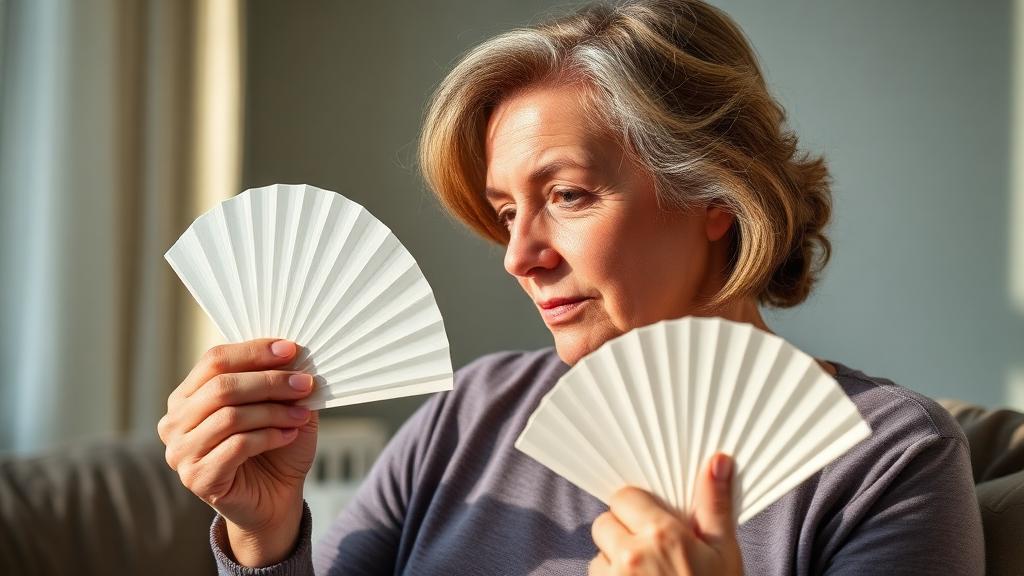
Perimenopause, the transition to menopause, is perhaps the most underrecognized and undertreated phase of a woman's hormonal life. As an endocrinologist specializing in women's hormonal health, I regularly see women in their 40s who have been told their symptoms are "just stress" or "all in your head." These women deserve better. Let me provide a comprehensive guide to understanding what is actually happening in your body and how to navigate this transition with grace, knowledge, and effective treatment strategies.
Understanding Perimenopause: The Science Behind the Transition
Perimenopause, derived from the Greek "peri" meaning "around", refers to the transitional phase surrounding menopause. This phase begins when your ovaries start producing less estrogen and progesterone, typically commencing in the mid-40s, though it can start as early as the late 30s in some women. The average duration of perimenopause is four to eight years, though it can extend to ten years or longer before reaching menopause (defined as 12 consecutive months without a menstrual period).
Unlike menopause itself, perimenopause is characterized by hormonal fluctuation rather than steady decline. Your estrogen levels may swing wildly, sometimes reaching levels higher than in your 20s, sometimes plummeting precipitously, creating a roller coaster of symptoms that can feel unpredictable and overwhelming. Understanding this pattern of fluctuation rather than simple decline is crucial for both patients and healthcare providers in developing appropriate treatment strategies.
The Stages of Perimenopause
The Stages of Reproductive Aging Workshop (STRAW) criteria divide perimenopause into early and late stages:
- Early Perimenopause: Characterized by variable cycle length, with differences of 7 or more days between consecutive cycles. Hormone levels fluctuate significantly, but FSH may still be within normal range. This stage typically lasts 2-5 years.
- Late Perimenopause: Marked by skipped cycles (amenorrhea lasting 60 days or more), more pronounced hormonal fluctuations, elevated FSH levels, and intensification of symptoms. This stage typically lasts 1-3 years before the final menstrual period.
Recognizing Perimenopausal Symptoms: A Comprehensive Overview
The symptoms of perimenopause extend far beyond the commonly discussed hot flashes. The wide-ranging nature of perimenopausal symptoms reflects the profound influence of estrogen and progesterone on virtually every organ system in the body, including the brain, cardiovascular system, bones, and metabolic processes.
Menstrual Changes
Changes in menstrual patterns are often the first recognizable sign of perimenopause:
- Irregular periods, cycles may become shorter (less than 25 days) or longer (more than 35 days)
- Skipped periods followed by heavy flow
- Worsening premenstrual symptoms (PMS) including bloating, breast tenderness, and mood changes
- Flooding episodes or breakthrough bleeding between periods
- Increased menstrual pain (dysmenorrhea) in some women
- Development of uterine fibroids or adenomyosis, which can cause heavy bleeding
Vasomotor Symptoms
These temperature regulation symptoms are among the most recognized features of perimenopause:
- Hot flashes: Sudden feelings of warmth, typically beginning in the chest and spreading to the neck and face, lasting 30 seconds to several minutes. Approximately 75-80% of perimenopausal women experience hot flashes.
- Night sweats: Hot flashes occurring during sleep, often severe enough to soak sleepwear and bedding, significantly disrupting sleep quality
- Heart palpitations: Racing heart or awareness of heartbeat, often occurring with hot flashes but sometimes independently
- Flushing: Visible redness of the face, neck, and chest during hot flash episodes
Sleep Disturbances
Sleep problems during perimenopause are multifactorial and can significantly impact quality of life:
- Difficulty falling asleep (sleep onset insomnia)
- Waking frequently throughout the night
- Early morning awakening (terminal insomnia), typically between 3-5 AM
- Night sweats disrupting sleep architecture
- Restless or non-restorative sleep even without obvious night sweats
- Development or worsening of sleep apnea
- Restless leg syndrome symptoms
Mood and Cognitive Changes
Estrogen and progesterone significantly influence neurotransmitter function, particularly serotonin, dopamine, and GABA, leading to notable neuropsychiatric symptoms:
- Anxiety: Increased anxiety, panic attacks, or new-onset anxiety in women with no prior history
- Depression: New-onset depression or recurrence of previously controlled depression; the risk of major depressive disorder doubles during perimenopause
- Irritability: Lower frustration tolerance and increased reactivity to stressors
- Brain fog: Difficulty with word retrieval, mental clarity, and processing speed
- Memory difficulties: Particularly with short-term and working memory
- Difficulty concentrating: Reduced attention span and increased distractibility
- Feeling overwhelmed: Tasks that were previously manageable may feel impossible
Genitourinary Symptoms
Declining estrogen affects the urogenital tissues, leading to what is now termed the Genitourinary Syndrome of Menopause (GSM):
- Vaginal dryness and decreased lubrication
- Vulvovaginal atrophy with tissue thinning
- Painful intercourse (dyspareunia)
- Recurrent urinary tract infections
- Urinary urgency and frequency
- Stress urinary incontinence
- Decreased libido (often multifactorial)
Metabolic and Body Composition Changes
- Weight gain, particularly around the midsection (visceral adiposity)
- Increased difficulty losing weight despite unchanged diet and exercise
- Changes in body fat distribution from gynoid (hips/thighs) to android (abdominal)
- Decreased muscle mass and strength
- Increased insulin resistance and blood sugar fluctuations
- Unfavorable changes in cholesterol profile (increased LDL, decreased HDL)
Musculoskeletal Symptoms
- Joint aches and stiffness, particularly in the morning
- Muscle pain and tension
- Accelerated bone loss (bone density decreases 2-3% per year in the years around menopause)
- Frozen shoulder and other joint problems occur more frequently during this transition
Other Common Symptoms
- Headaches and migraines (may worsen, improve, or appear for the first time)
- Skin changes including dryness, loss of elasticity, and increased wrinkling
- Hair changes including thinning and changes in texture
- Breast tenderness and changes in breast tissue
- Tinnitus (ringing in the ears)
- Dry eyes and mouth
- Electric shock sensations
The Hormonal Landscape of Perimenopause
Understanding the hormonal changes during perimenopause helps explain the diverse symptom profile and guides treatment decisions:
Estrogen (Estradiol)
Estrogen levels during perimenopause are characterized by marked variability rather than simple decline. Levels may spike to 200-300% of premenopausal values before plummeting days later. This volatility, rather than low estrogen alone, drives many perimenopausal symptoms. Estrogen receptors are found throughout the body, including in the brain, heart, blood vessels, bones, bladder, and skin, explaining the systemic nature of perimenopausal symptoms.
Progesterone
Progesterone typically declines before estrogen, as anovulatory cycles (cycles without ovulation) become more common. Progesterone is only produced in significant quantities after ovulation, so anovulatory cycles result in low progesterone despite potentially high estrogen levels. This imbalance contributes to symptoms like heavy bleeding, breast tenderness, anxiety, and sleep disturbance.
Follicle-Stimulating Hormone (FSH)
As the ovaries become less responsive, the pituitary gland produces increasing amounts of FSH in an attempt to stimulate ovulation. Elevated FSH (typically >25 mIU/mL) is often used as a marker of perimenopause, though levels can fluctuate significantly and may be normal in early perimenopause.
Anti-Müllerian Hormone (AMH)
AMH reflects ovarian reserve and declines steadily with age. Low AMH levels can indicate diminished ovarian reserve and may predict earlier menopause. Unlike FSH, AMH is relatively stable throughout the menstrual cycle.
Testosterone and DHEA
These androgens decline gradually with age, though not as dramatically as estrogen at menopause. Declining androgens may contribute to decreased libido, energy, and muscle mass. The adrenal glands continue to produce DHEA after menopause, which can be converted to both estrogen and testosterone in peripheral tissues.
Why Standard Testing Often Falls Short
Many women are told their blood work is "normal" despite significant symptoms. This happens because:
- Hormone levels fluctuate dramatically from day to day and even hour to hour during perimenopause
- A single blood test captures only one moment in time and may miss the hormonal volatility
- Reference ranges are broad and designed to capture 95% of the population, not to define optimal function
- FSH and estrogen may appear normal in early perimenopause despite symptomatic hormone fluctuations
- Testing is often done at random times rather than at specific points in the menstrual cycle
Perimenopause is primarily a clinical diagnosis based on symptoms in women of the appropriate age, not solely a laboratory diagnosis. A woman in her mid-40s with classic symptoms, irregular periods, hot flashes, sleep disturbance, mood changes, does not require specific hormone levels to confirm the diagnosis and begin treatment.
Comprehensive Treatment Options
Perimenopause is highly treatable. The goal of treatment is to stabilize hormonal fluctuations, relieve symptoms, and protect long-term health. Treatment should be individualized based on symptoms, medical history, and personal preferences.
Menopausal Hormone Therapy (MHT)
For many women, hormone therapy provides significant and often dramatic symptom relief. Current evidence supports the safety and efficacy of hormone therapy when initiated in the appropriate candidates:
Estrogen Therapy
- Transdermal estrogen (patches, gels, or spray) is generally preferred as it bypasses first-pass liver metabolism, avoiding the increased clotting risk associated with oral estrogen
- Oral estrogen remains an option for women without clotting risk factors
- Vaginal estrogen treats genitourinary symptoms locally with minimal systemic absorption and is safe for most women, including many with breast cancer history
Progesterone/Progestins
- Required for all women with a uterus to protect against endometrial hyperplasia and cancer
- Micronized progesterone (oral or vaginal) is often preferred for its favorable side effect profile and potential benefits for sleep and mood
- Synthetic progestins are also effective but may have different side effect profiles
- Levonorgestrel IUD can provide endometrial protection while offering contraception
Combination Approaches
Continuous combined therapy (daily estrogen plus progestin) or cyclic therapy (estrogen with progestin for 12-14 days per month) may be used depending on bleeding patterns and patient preference.
Non-Hormonal Prescription Options
For women who cannot or prefer not to use systemic hormone therapy, several effective alternatives exist:
- SSRIs/SNRIs: Antidepressants like paroxetine, venlafaxine, and escitalopram reduce hot flashes by 40-60% and address mood symptoms
- Gabapentin: Particularly helpful for night sweats and sleep disturbance
- Fezolinetant (Veozah): A novel NK3 receptor antagonist specifically FDA-approved for vasomotor symptoms
- Clonidine: May help some women with hot flashes, particularly those with hypertension
- Ospemifene: A SERM (selective estrogen receptor modulator) for genitourinary symptoms
Lifestyle Interventions
Lifestyle modifications remain foundational to managing perimenopause:
Exercise
- Cardiovascular exercise: 150 minutes per week of moderate-intensity or 75 minutes of vigorous activity
- Strength training: Crucial for maintaining muscle mass and bone density; 2-3 sessions per week targeting all major muscle groups
- Yoga and flexibility: May reduce stress and improve sleep quality
Nutrition
- Mediterranean-style diet: Rich in vegetables, fruits, whole grains, legumes, fish, and olive oil
- Adequate protein: 1.0-1.2 grams per kilogram of body weight to preserve muscle mass
- Limit alcohol: Can trigger hot flashes and disrupt sleep
- Reduce refined sugars and processed foods: To support stable blood sugar and weight management
- Calcium and vitamin D: Essential for bone health
Sleep Hygiene
- Consistent sleep and wake times
- Cool bedroom environment (65-68°F)
- Limit screen exposure before bed
- Avoid caffeine after noon
- Moisture-wicking sleepwear and bedding for night sweats
Stress Management
- Mindfulness meditation and deep breathing exercises
- Cognitive behavioral therapy (CBT) is evidence-based for managing hot flashes and mood symptoms
- Regular relaxation practices
- Addressing work-life balance and setting boundaries
When to Seek Specialty Care
While many women navigate perimenopause with support from their primary care provider, consultation with an endocrinologist or menopause specialist is warranted for:
- Complex medical histories that make hormone therapy decisions challenging
- Symptoms that don't respond to initial treatments
- Early perimenopause (before age 40) requiring evaluation for premature ovarian insufficiency
- Coexisting thyroid disease, adrenal disorders, or other endocrine conditions
- Desire for comprehensive hormone evaluation and optimization
- Need for individualized treatment planning beyond standard approaches
The Bottom Line
Perimenopause is a normal biological transition, not a disease, but that does not mean you should suffer through it without support. The symptoms are real, the science is clear, and effective treatments are available. If your symptoms are impacting your quality of life, productivity, relationships, or sense of self, you deserve evaluation and treatment.
At Frisch Endocrinology, we specialize in helping women navigate this transition with expertise, compassion, and individualized care. You don't have to accept feeling "not yourself" as inevitable, there is help, and there is hope.

About the Author
Dr. Anna Frisch, MD, PhD
Dr. Anna Frisch is a board-certified endocrinologist with over 30 years of experience specializing in thyroid disorders, diabetes management, and hormone optimization. She founded Palm Beach Thyroid & Endocrinology Wellness to provide exceptional, personalized endocrine care to patients throughout Florida. She is one of the few board-certified endocrinologists in the US leading a cosmetic medicine practice.
Dr. Frisch leads Aesthetic Endocrinology, as she defines it, at Palm Beach Cosmetic Medicine, the home of Aesthetic Metabolism™, the term she coined.
This article is for educational purposes only and does not constitute medical advice. Please consult with your physician for personalized recommendations.
Stay Updated on Thyroid Health
Get the latest insights, research updates, and wellness tips from Dr. Anna Frisch delivered to your inbox.
Join 5,000+ subscribers. Unsubscribe anytime.