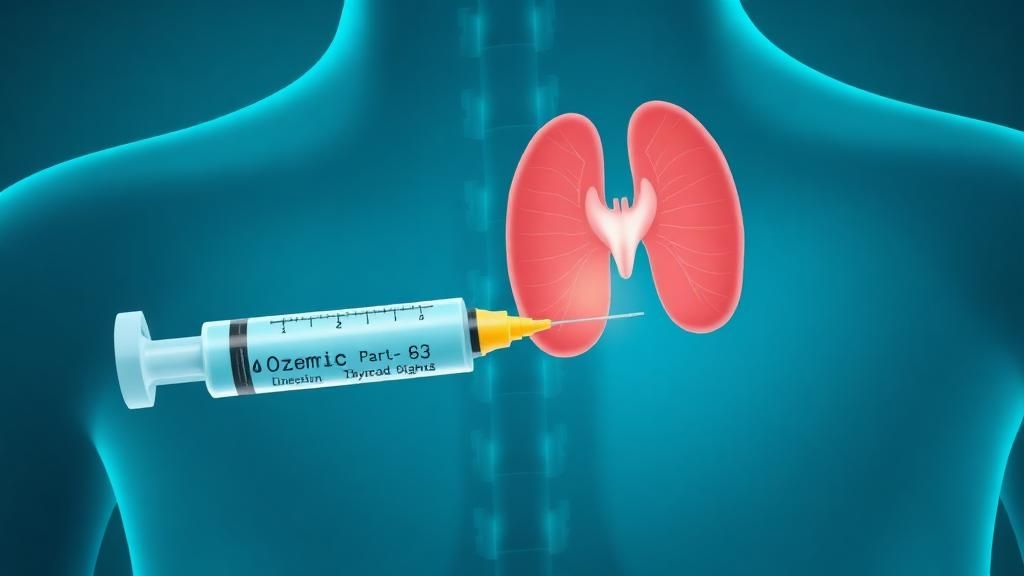
The Rise of GLP-1 Medications and Thyroid Health
As millions of Americans turn to Ozempic, Wegovy, Mounjaro, and other GLP-1 receptor agonists for weight management and diabetes control, questions about thyroid health have become increasingly urgent. The FDA's black box warning about thyroid C-cell tumors has sparked widespread concern—and confusion—among patients and healthcare providers alike.
In this comprehensive guide, I will explain what we know from current research, what remains uncertain, and how you can make informed decisions about your health while using these increasingly popular medications.
Understanding the Thyroid Warning: What the FDA Actually Says
GLP-1 receptor agonists carry a boxed warning—the most serious type of FDA warning—about medullary thyroid carcinoma (MTC) based on rodent studies. This warning has understandably caused concern among patients considering or currently using these medications.
The Science Behind the Warning
In laboratory studies, rodents given high doses of GLP-1 medications developed thyroid C-cell tumors. These C-cells produce calcitonin, a hormone involved in calcium regulation, and are distinct from the thyroid follicular cells that produce thyroid hormone (T3 and T4). The key question is whether these findings translate to humans.
Critically, humans have far fewer GLP-1 receptors on their thyroid C-cells compared to rodents—approximately 90% fewer, according to receptor binding studies. This fundamental physiological difference makes direct translation of rodent findings to human risk assessment problematic.
A comprehensive meta-analysis of clinical trial data involving over 50,000 patients found no statistically significant increase in thyroid cancer among GLP-1 medication users compared to placebo groups. However, as these medications are relatively new to widespread clinical use, long-term surveillance extending beyond 10-15 years continues to be essential.
Real-World Data: What Large Studies Show
Recent population-based studies from Nordic countries, which have extensive health registries, have provided reassuring data. A 2023 study following over 145,000 patients on GLP-1 medications found no increased risk of thyroid cancer compared to matched controls. However, researchers emphasize that continued monitoring remains important as these medications gain even wider use.
Who Should Be Especially Cautious
While the overall risk appears low for most patients, certain individuals should exercise particular caution and discuss alternatives with their endocrinologist:
- Personal history of MTC: Individuals who have previously been diagnosed with medullary thyroid cancer should avoid GLP-1 medications
- Multiple Endocrine Neoplasia syndrome type 2 (MEN 2): This genetic condition significantly increases MTC risk and is a contraindication for GLP-1 therapy
- Family history of medullary thyroid cancer: If first-degree relatives have had MTC, genetic testing and careful evaluation are warranted before starting therapy
- Unexplained elevated calcitonin levels: Elevated baseline calcitonin may indicate existing C-cell abnormalities requiring investigation
How GLP-1 Medications Affect Thyroid Function
Beyond the cancer warning, GLP-1 medications can interact with thyroid health in several clinically significant ways that patients and providers should understand.
Absorption of Thyroid Medication
GLP-1 medications work partly by slowing gastric emptying—the rate at which food and medications leave your stomach. This mechanism, while beneficial for appetite control and blood sugar management, can significantly affect the absorption of oral thyroid medications like levothyroxine.
If you take levothyroxine or other oral thyroid medications, you may notice changes in your thyroid levels after starting a GLP-1 medication. This does not necessarily mean the medication is harmful to your thyroid—rather, it indicates that the timing of your medications and monitoring schedule may need adjustment.
Practical recommendations:
- Take levothyroxine on an empty stomach, at least 60 minutes before any food or other medications
- Maintain consistent timing between your thyroid medication and GLP-1 injection
- Consider morning levothyroxine dosing and evening GLP-1 injections to maximize absorption
- Plan for more frequent TSH monitoring during the first 3-6 months of GLP-1 therapy
Weight Loss and Thyroid Hormone Requirements
Significant weight loss from GLP-1 therapy often reduces the dose of thyroid medication needed. Thyroid hormone requirements are partly weight-dependent—as body weight decreases, so does the metabolic demand for thyroid hormone. Patients losing 15% or more of their body weight commonly require thyroid medication adjustments.
Signs that your thyroid dose may be too high after weight loss include:
- Heart palpitations or rapid heartbeat
- Increased anxiety or nervousness
- Difficulty sleeping
- Tremors or shakiness
- Unintentional additional weight loss
Thyroid Function During Rapid Weight Loss
Rapid weight loss, regardless of the method, can transiently affect thyroid function tests. Some patients experience a temporary decrease in T3 levels as the body adapts to reduced caloric intake—sometimes called "low T3 syndrome" or euthyroid sick syndrome. This typically normalizes without intervention as weight stabilizes.
Comprehensive Monitoring Protocol for Thyroid Health on GLP-1 Therapy
If you are taking or considering a GLP-1 medication, proactive thyroid monitoring is essential. Here is what I recommend for my patients:
Before Starting GLP-1 Therapy
- Complete thyroid function panel: TSH, Free T4, and Free T3
- Thyroid antibody testing: TPO and thyroglobulin antibodies if not previously checked
- Baseline neck examination: Physical assessment of thyroid gland
- Thyroid ultrasound: Especially if nodules are suspected or you have risk factors
- Calcitonin level: For patients with MTC risk factors
During GLP-1 Therapy
- TSH testing: Every 6-8 weeks during dose titration, then every 3-6 months once stable
- Annual thyroid examination: Physical neck exam at each visit
- Thyroid ultrasound: Annually for high-risk individuals
- Prompt evaluation: Any new neck masses, difficulty swallowing, or voice changes warrant immediate assessment
Signs That Warrant Immediate Medical Attention
Contact your endocrinologist promptly if you experience any of the following:
- A new lump or swelling in your neck
- Difficulty swallowing (dysphagia) or feeling of obstruction
- Hoarseness or voice changes persisting more than two weeks
- Persistent neck pain not attributable to other causes
- Swollen lymph nodes in the neck region
Balancing Benefits and Risks: A Clinical Perspective
For most patients, the metabolic benefits of GLP-1 therapy—including improved blood sugar control, cardiovascular protection, weight management, and reduced risk of obesity-related conditions—substantially outweigh the theoretical thyroid risks. The key is individualized care with proper monitoring.
Consider that untreated or poorly controlled type 2 diabetes significantly increases the risk of cardiovascular disease, kidney disease, neuropathy, and early mortality. Obesity itself is associated with increased cancer risk, including thyroid cancer. The risk-benefit calculation often favors GLP-1 therapy when these factors are considered holistically.
The Bottom Line: Expert Recommendations
Based on current evidence and clinical experience, here are my recommendations for patients considering or using GLP-1 medications:
- Do not avoid GLP-1 medications solely due to thyroid cancer fears if you do not have specific risk factors. The evidence does not support elevated risk in the general population.
- Ensure thorough pre-treatment evaluation including personal and family thyroid history.
- Commit to regular monitoring as outlined above.
- Communicate openly with your healthcare team about any new symptoms.
- Consider consultation with an endocrinologist if you have pre-existing thyroid conditions or risk factors.
At Palm Beach Thyroid and Endocrinology Wellness, we specialize in managing patients on GLP-1 therapy who have concurrent thyroid conditions. We can help optimize your medication regimen, establish appropriate monitoring protocols, and address any concerns that arise during your treatment journey.
If you have questions about GLP-1 medications and your thyroid health, I encourage you to schedule a consultation. Together, we can develop a personalized approach that maximizes the benefits of these remarkable medications while ensuring your thyroid health remains optimal.

About the Author
Dr. Anna Frisch, MD, PhD
Dr. Anna Frisch is a board-certified endocrinologist with over 30 years of experience specializing in thyroid disorders, diabetes management, and hormone optimization. She founded Palm Beach Thyroid & Endocrinology Wellness to provide exceptional, personalized endocrine care to patients throughout Florida.
This article is for educational purposes only and does not constitute medical advice. Please consult with your physician for personalized recommendations.
Stay Updated on Thyroid Health
Get the latest insights, research updates, and wellness tips from Dr. Anna Frisch delivered to your inbox.
Join 5,000+ subscribers. Unsubscribe anytime.