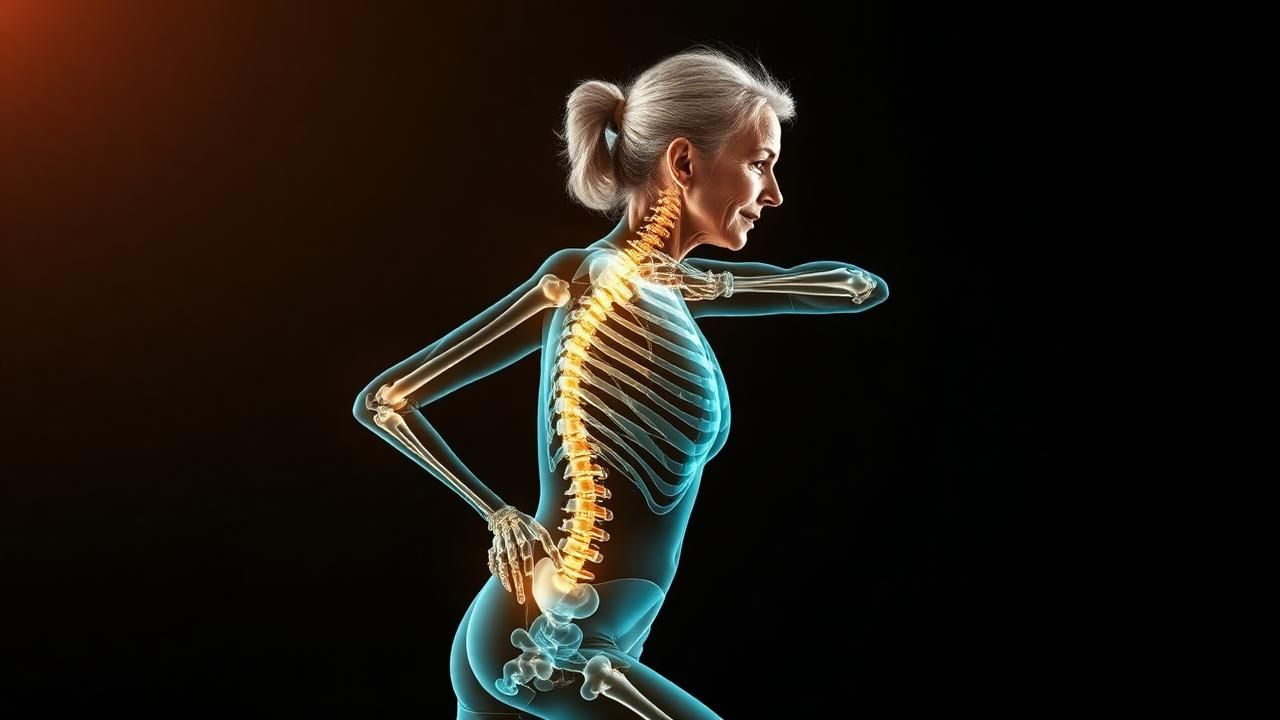
Osteoporosis—the "silent disease"—affects an estimated 200 million people worldwide and is responsible for nearly 9 million fractures annually. As an endocrinologist, I see the devastating consequences of osteoporosis regularly: hip fractures that rob patients of independence, vertebral fractures that cause chronic pain and progressive height loss, and wrist fractures that limit daily activities. The tragedy is that much of this suffering is preventable with early recognition and appropriate intervention. This comprehensive guide explains the science of bone health, identifies risk factors, and provides evidence-based strategies for prevention and treatment.
Understanding Bone: A Living, Dynamic Tissue
Contrary to popular perception, bone is not an inert scaffold but a metabolically active tissue in constant flux. Throughout your life, specialized cells continuously break down old bone (resorption) and build new bone (formation) in a process called bone remodeling. This process serves multiple functions:
- Maintains calcium homeostasis for critical bodily functions
- Repairs micro-damage from daily mechanical stress
- Adapts bone architecture to meet changing demands
- Replaces aging bone tissue with mechanically sound new bone
The Cells of Bone Remodeling
- Osteoclasts: Multinucleated cells derived from the immune system that resorb (break down) bone. They attach to bone surfaces and secrete acids and enzymes that dissolve both the mineral and protein components of bone.
- Osteoblasts: Bone-forming cells that synthesize and deposit new bone matrix (osteoid) and regulate its mineralization with calcium and phosphorus.
- Osteocytes: Mature osteoblasts embedded within the bone matrix. These cells form an intricate communication network that senses mechanical strain and directs the remodeling process.
Peak Bone Mass: Your Bone Bank Account
Peak bone mass—the maximum amount of bone tissue you will ever have—is achieved between ages 25 and 30. Think of this as a bone "bank account": the more bone you deposit during youth and young adulthood, the more you have to draw upon later in life. Peak bone mass is determined by:
- Genetics: Account for 60-80% of peak bone mass
- Nutrition: Adequate calcium, vitamin D, and protein during growth
- Physical activity: Weight-bearing and resistance exercise during childhood and adolescence
- Hormonal status: Normal pubertal development and hormonal milieu
What Is Osteoporosis?
Osteoporosis is a skeletal disorder characterized by compromised bone strength predisposing to increased fracture risk. Bone strength reflects both bone density (the amount of bone mineral) and bone quality (the architecture, turnover, mineralization, and micro-damage accumulation within bone).
The Bone Density Spectrum
Bone mineral density (BMD) measured by dual-energy X-ray absorptiometry (DXA) is compared to young adult reference values and expressed as a T-score:
- Normal: T-score ≥ -1.0
- Osteopenia (low bone mass): T-score between -1.0 and -2.5
- Osteoporosis: T-score ≤ -2.5
- Severe osteoporosis: T-score ≤ -2.5 with fragility fracture
Each standard deviation decrease in BMD approximately doubles fracture risk. However, bone density is only part of the equation—many fractures occur in individuals with osteopenia rather than osteoporosis, highlighting the importance of assessing overall fracture risk.
The Consequences of Osteoporosis: Fragility Fractures
Osteoporosis itself causes no symptoms until a fracture occurs. The most common osteoporotic fractures are:
Hip Fractures
- Most devastating consequence of osteoporosis
- Lifetime risk: ~17% for women, ~6% for men
- Mortality within one year of hip fracture: 20-30%
- Only 40% regain pre-fracture level of independence
- 25% require long-term nursing home care
Vertebral (Spine) Fractures
- Most common osteoporotic fracture (approximately 750,000 annually in the US)
- Only about one-third come to clinical attention; many are undiagnosed
- Lead to progressive kyphosis ("dowager's hump"), height loss, and chronic pain
- Strongly predict future fractures—one vertebral fracture increases risk of another 5-fold
- Associated with reduced pulmonary function, impaired digestion, and decreased quality of life
Wrist (Distal Radius) Fractures
- Often the first clinical sign of osteoporosis, occurring 10-15 years before hip fractures
- Should prompt bone density assessment and fracture risk evaluation
- May limit activities of daily living and cause chronic pain or dysfunction
Risk Factors for Osteoporosis
Understanding risk factors is essential for identifying individuals who need screening and intervention:
Non-Modifiable Risk Factors
- Age: Bone loss accelerates after age 50, with dramatic acceleration in the years surrounding menopause
- Sex: Women have 2-3 times higher fracture risk than men due to lower peak bone mass and accelerated loss at menopause
- Ethnicity: Caucasian and Asian populations have higher rates than African American and Hispanic populations
- Family history: Parental hip fracture doubles your risk
- Personal fracture history: Prior fragility fracture is the strongest predictor of future fracture
- Small frame: Lower peak bone mass provides less reserve
Hormonal and Reproductive Factors
- Early menopause: Natural or surgical menopause before age 45 accelerates bone loss
- Late menarche: Starting periods after age 15
- Amenorrhea: Extended periods without menstruation (excluding pregnancy)
- Hypogonadism in men: Low testosterone accelerates bone loss
- Hyperthyroidism: Excess thyroid hormone accelerates bone turnover and loss
- Hyperparathyroidism: Excess parathyroid hormone mobilizes calcium from bone
- Cushing's syndrome: Excess cortisol is highly detrimental to bone
Lifestyle Factors
- Physical inactivity: Lack of weight-bearing exercise fails to stimulate bone formation
- Tobacco use: Smoking decreases bone density and increases fracture risk 1.5-2 fold
- Excessive alcohol: More than 2-3 drinks daily increases fracture risk
- Low body weight: BMI <20 kg/m² increases fracture risk
- Inadequate calcium and vitamin D: Essential building blocks for bone
- Excessive caffeine: May increase urinary calcium excretion
Medical Conditions
- Inflammatory conditions: Rheumatoid arthritis, inflammatory bowel disease, celiac disease
- Malabsorption syndromes: Celiac disease, gastric bypass, chronic pancreatitis
- Chronic kidney disease: Impairs vitamin D activation and calcium homeostasis
- Chronic liver disease: Impairs vitamin D metabolism
- Type 1 and Type 2 diabetes: Associated with increased fracture risk despite sometimes normal BMD
- COPD: Chronic inflammation and often corticosteroid use
- Eating disorders: Anorexia nervosa causes severe bone loss
Medications That Affect Bone
- Glucocorticoids (prednisone, etc.): Most common cause of secondary osteoporosis; even low doses increase fracture risk
- Proton pump inhibitors: Long-term use associated with modest increased fracture risk
- Anticonvulsants: Many accelerate vitamin D metabolism
- Aromatase inhibitors: Used for breast cancer, cause significant bone loss
- Androgen deprivation therapy: Used for prostate cancer, causes rapid bone loss
- Thiazolidinediones: Diabetes medications that increase fracture risk
- SSRI antidepressants: Associated with modest increased fracture risk
- Excess thyroid hormone: Over-replacement with levothyroxine accelerates bone loss
Screening for Osteoporosis
Who Should Be Screened?
Current guidelines recommend bone density screening for:
- All women aged 65 and older
- All men aged 70 and older
- Postmenopausal women under 65 with risk factors
- Men aged 50-69 with risk factors
- Anyone with a fragility fracture after age 50
- Anyone on medications known to cause bone loss (especially glucocorticoids)
- Anyone with conditions associated with bone loss
DXA (Dual-Energy X-ray Absorptiometry)
DXA is the gold standard for measuring bone density. It is:
- Quick (10-15 minutes), painless, and low radiation
- Measures BMD at the hip (femoral neck and total hip) and lumbar spine
- Results reported as T-scores (comparison to young adult) and Z-scores (comparison to age-matched)
- Should be repeated every 1-2 years in those being monitored or treated
FRAX: Fracture Risk Assessment
FRAX is a validated tool that estimates 10-year probability of major osteoporotic fracture and hip fracture based on clinical risk factors, with or without BMD. Treatment is generally recommended when:
- 10-year probability of hip fracture ≥3%, OR
- 10-year probability of major osteoporotic fracture ≥20%
Prevention Strategies: Building and Maintaining Strong Bones
Nutrition for Bone Health
Calcium
Calcium is the primary mineral component of bone. Recommended daily intake:
- Adults 19-50: 1,000 mg/day
- Women over 50 and men over 70: 1,200 mg/day
- Food sources preferred over supplements when possible
- Calcium-rich foods: dairy products, fortified plant milks, calcium-set tofu, sardines with bones, leafy greens (kale, bok choy, collards)
Vitamin D
Vitamin D is essential for calcium absorption and bone mineralization:
- Recommended intake: 600-800 IU/day for most adults; many experts recommend 1,000-2,000 IU/day
- Serum 25(OH)D levels should be at least 30 ng/mL for bone health
- Sources: sunlight exposure, fatty fish, fortified foods, supplements
- Deficiency is common, especially in northern latitudes, darker skin pigmentation, obesity, and older adults
Protein
Adequate protein is essential for bone matrix and muscle strength:
- Recommended: 1.0-1.2 grams per kilogram body weight daily for older adults
- Higher intake may benefit those with osteoporosis, provided calcium intake is adequate
Other Nutrients
- Vitamin K: Required for bone protein function; found in leafy greens
- Magnesium: Involved in bone crystal formation; found in nuts, seeds, whole grains
- Phosphorus: Major bone mineral component; adequate in most diets
Exercise for Bone Health
Physical activity is crucial for building and maintaining bone density:
Weight-Bearing Exercise
Forces bones to work against gravity, stimulating bone formation:
- Walking, jogging, running
- Hiking, stair climbing
- Dancing, tennis, pickleball
- Aim for 30 minutes most days of the week
Resistance Training
Strengthens muscles and bones through progressive overload:
- Free weights, resistance bands, weight machines
- Bodyweight exercises (squats, lunges, push-ups)
- Target all major muscle groups 2-3 times per week
- Progressive overload (gradually increasing resistance) is key
Balance and Posture Training
Reduces fall risk, which is crucial for preventing fractures:
- Tai chi, yoga, Pilates
- Single-leg stands, heel-to-toe walking
- Particularly important for older adults with balance concerns
Lifestyle Modifications
- Quit smoking: Smoking cessation improves bone density over time
- Limit alcohol: No more than 1-2 drinks per day
- Maintain healthy weight: Both underweight and extreme obesity increase fracture risk
- Fall prevention: Remove home hazards, adequate lighting, secure rugs, use assistive devices if needed
Pharmacologic Treatment Options
When lifestyle measures are insufficient and fracture risk is elevated, medications can significantly reduce fracture risk:
Antiresorptive Medications
These medications slow bone breakdown by inhibiting osteoclast activity:
Bisphosphonates
- Alendronate (Fosamax): Weekly oral tablet
- Risedronate (Actonel): Weekly or monthly oral tablet
- Ibandronate (Boniva): Monthly oral tablet or quarterly IV
- Zoledronic acid (Reclast): Once-yearly IV infusion
- Reduce hip, spine, and non-vertebral fractures by 40-70%
- Generally used for 3-5 years, then reassessed
Denosumab (Prolia)
- Subcutaneous injection every 6 months
- Inhibits RANKL, reducing osteoclast formation and activity
- Particularly effective for hip bone density
- Must not be stopped abruptly—rebound bone loss and vertebral fractures can occur
Anabolic Medications
These medications stimulate bone formation:
Teriparatide (Forteo)
- Daily subcutaneous injection for up to 2 years
- Recombinant parathyroid hormone (PTH 1-34)
- Stimulates new bone formation
- Particularly effective for vertebral fractures
- Must be followed by antiresorptive therapy
Abaloparatide (Tymlos)
- Daily subcutaneous injection for up to 2 years
- PTH-related peptide analog
- Similar efficacy to teriparatide with potentially fewer side effects
Romosozumab (Evenity)
- Monthly subcutaneous injection for 12 months
- Dual action: increases bone formation and decreases resorption
- Produces rapid, substantial increases in bone density
- Reserved for very high-risk patients due to cardiovascular considerations
Hormone Therapy
- Estrogen therapy: Effectively prevents bone loss in postmenopausal women; usually not first-line for osteoporosis but may be appropriate for women with menopausal symptoms
- Raloxifene (Evista): Selective estrogen receptor modulator; reduces vertebral fractures; also reduces breast cancer risk
Monitoring Treatment Response
- Repeat DXA every 1-2 years to assess treatment response
- Bone turnover markers (P1NP, CTX) can assess adherence and response earlier than DXA
- Stable or improving BMD and absence of fractures indicate treatment success
- Reassess treatment duration and need for "drug holidays" after 3-5 years of bisphosphonates
Special Considerations
Glucocorticoid-Induced Osteoporosis
Patients initiating long-term glucocorticoid therapy (prednisone ≥2.5 mg daily for ≥3 months) should:
- Receive baseline DXA and FRAX assessment
- Optimize calcium and vitamin D intake
- Consider preventive bisphosphonate therapy, especially at higher glucocorticoid doses
- Use the lowest effective glucocorticoid dose for the shortest duration
Osteoporosis in Men
While less common than in women, osteoporosis affects approximately 2 million American men:
- Men with hip fractures have higher mortality rates than women
- Secondary causes (hypogonadism, glucocorticoid use, alcohol excess) are more common in men
- Treatment follows similar principles as in women
When to Seek Endocrinology Consultation
Consider referral to an endocrinologist for:
- Unexplained bone loss in premenopausal women or younger men
- Osteoporosis at unusually young age
- Fractures despite treatment or severe osteoporosis
- Suspected secondary causes requiring investigation
- Complex cases with multiple comorbidities
- Patients with contraindications to standard therapies
- Need for anabolic therapy or specialized treatment regimens
The Bottom Line
Osteoporosis is a preventable and treatable condition, yet it remains underdiagnosed and undertreated. The key to maintaining lifelong skeletal health lies in building strong bones during youth, maintaining them through middle age, and aggressively treating osteoporosis when it develops. Early intervention with lifestyle measures and, when indicated, pharmacologic therapy can dramatically reduce fracture risk and preserve quality of life.
At Frisch Endocrinology, we take a comprehensive approach to bone health, evaluating each patient's individual risk factors, screening for secondary causes, and developing personalized treatment plans. If you're concerned about your bone health or have been diagnosed with osteoporosis, we're here to help you build a stronger foundation for the years ahead.

About the Author
Dr. Anna Frisch, MD, PhD
Dr. Anna Frisch is a board-certified endocrinologist with over 30 years of experience specializing in thyroid disorders, diabetes management, and hormone optimization. She founded Palm Beach Thyroid & Endocrinology Wellness to provide exceptional, personalized endocrine care to patients throughout Florida.
This article is for educational purposes only and does not constitute medical advice. Please consult with your physician for personalized recommendations.
Stay Updated on Thyroid Health
Get the latest insights, research updates, and wellness tips from Dr. Anna Frisch delivered to your inbox.
Join 5,000+ subscribers. Unsubscribe anytime.