
What Is the Thyroid Gland?
The thyroid is a small, butterfly-shaped gland located at the front of your neck, just below the Adam''s apple. Despite weighing less than an ounce, it produces hormones that influence virtually every cell, tissue, and organ in your body — regulating metabolism, body temperature, heart rate, energy levels, mood, and even how quickly you burn calories.
At Palm Beach Thyroid & Endocrine Wellness, we evaluate hundreds of patients each year whose unexplained fatigue, weight changes, or anxiety trace back to an underactive or overactive thyroid. Understanding how this remarkable gland works is the first step toward recognizing when something is off.
How the Thyroid Works
The thyroid produces two primary hormones: thyroxine (T4) and triiodothyronine (T3). These hormones travel through the bloodstream and tell your cells how fast to work. Production is governed by a feedback loop with the brain:
- The hypothalamus releases TRH (thyrotropin-releasing hormone).
- The pituitary gland responds by releasing TSH (thyroid-stimulating hormone).
- The thyroid then produces T4 and T3.
- When circulating thyroid hormone is high enough, the brain dials back TSH.
This is why TSH is the most common screening test — when the thyroid underperforms, TSH rises; when it overperforms, TSH falls.
Hypothyroidism: When the Thyroid Is Underactive
Hypothyroidism affects roughly 1 in 20 Americans, most commonly women over 40. The most frequent cause in the U.S. is Hashimoto''s thyroiditis, an autoimmune condition in which the immune system gradually attacks the thyroid.
Common Symptoms of Hypothyroidism
- Persistent fatigue and sluggishness
- Unexplained weight gain or difficulty losing weight
- Cold intolerance — feeling cold when others are comfortable
- Dry skin, brittle nails, hair thinning or loss (often at the outer eyebrows)
- Constipation
- Depressed mood, brain fog, poor concentration
- Heavy or irregular menstrual periods
- Muscle aches and joint stiffness
- Elevated cholesterol
- Puffiness in the face, especially around the eyes
Hyperthyroidism: When the Thyroid Is Overactive
Hyperthyroidism is less common but can be more dramatic. The leading cause is Graves'' disease, another autoimmune disorder that stimulates the thyroid to overproduce hormone. Other causes include toxic nodules and thyroiditis.
Common Symptoms of Hyperthyroidism
- Unintentional weight loss despite a normal or increased appetite
- Rapid or irregular heartbeat, palpitations
- Anxiety, irritability, nervousness
- Heat intolerance and excessive sweating
- Tremor in the hands
- Trouble sleeping
- Frequent bowel movements or diarrhea
- Muscle weakness, especially in the thighs and upper arms
- Bulging eyes or vision changes (specific to Graves'' disease)
- Lighter or skipped menstrual periods
Thyroid Nodules and Cancer
Thyroid nodules — lumps within the gland — are extremely common, found in up to 60% of adults on ultrasound. The vast majority are benign, but every nodule deserves evaluation. A thorough work-up includes a focused neck ultrasound and, when indicated, a fine-needle aspiration biopsy. Thyroid cancer is one of the most treatable cancers when caught early.
How Thyroid Disorders Are Diagnosed
A complete thyroid evaluation goes well beyond a single TSH. We routinely order:
- TSH — the screening anchor
- Free T4 and Free T3 — the active circulating hormones
- Thyroid antibodies (TPO, TgAb, TRAb) — to detect autoimmune disease
- Reverse T3 in select patients with persistent symptoms
- Thyroid ultrasound for any palpable nodule or asymmetry
When to See an Endocrinologist
You should consider specialist evaluation if you have:
- Persistent symptoms despite "normal" labs
- A known thyroid nodule
- A family history of thyroid disease or thyroid cancer
- Difficulty stabilizing thyroid hormone replacement
- Thyroid changes during pregnancy or planning pregnancy
Next Steps
If you suspect your thyroid may be the source of your symptoms, don''t wait. Early diagnosis means easier treatment and a faster return to feeling like yourself. Schedule a consultation with Dr. Anna Frisch, or download our free Thyroid Health Blueprint to learn what to ask your doctor.
Medical disclaimer: This article is for educational purposes only and is not a substitute for personalized medical advice. Always consult a qualified healthcare provider regarding your individual condition.
About the Author
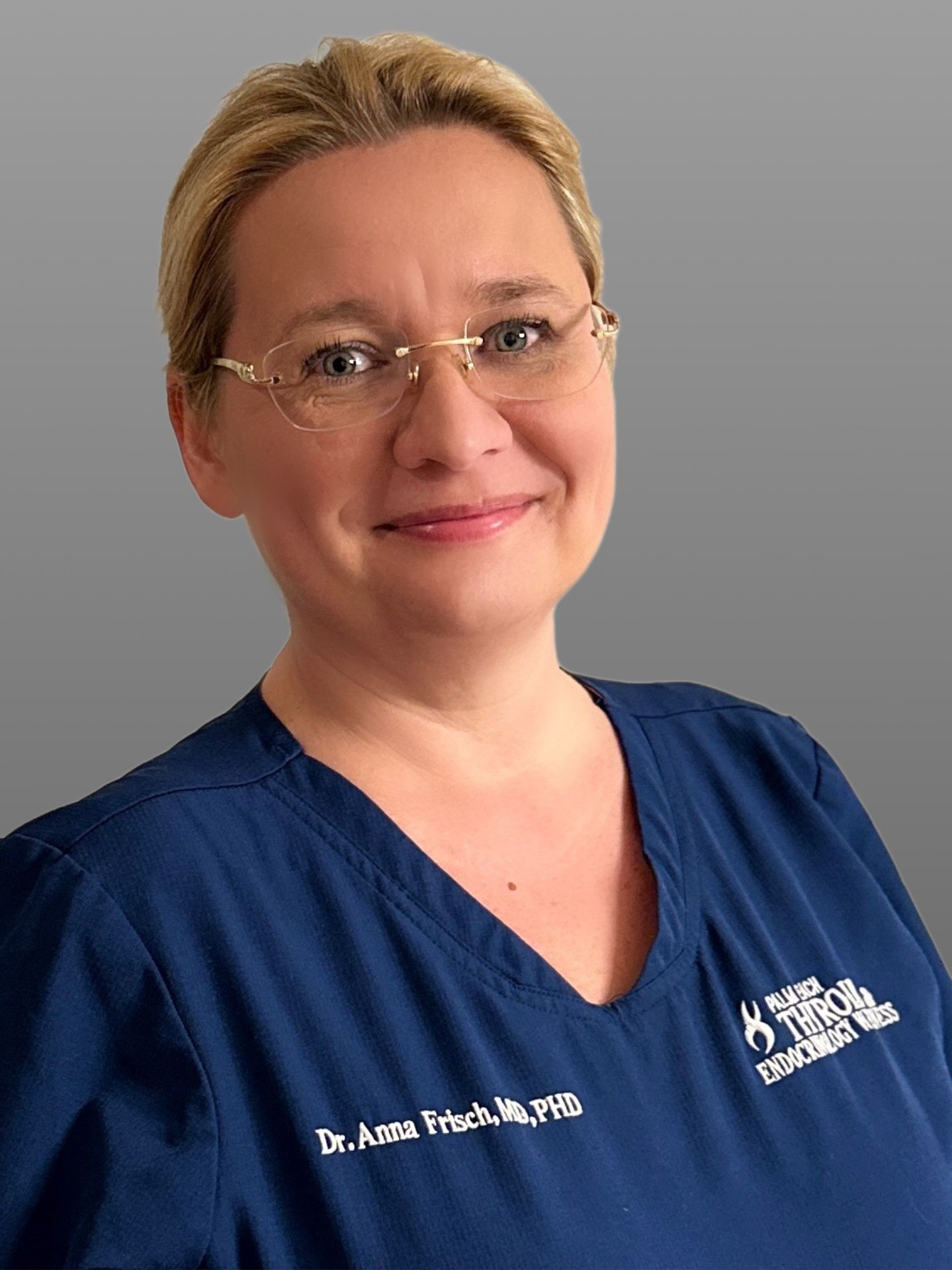
Dr. Anna Frisch, MD, PhD
Dr. Anna Frisch is a board-certified endocrinologist with over 30 years of experience specializing in thyroid disorders, diabetes management, and hormone optimization. She founded Palm Beach Thyroid & Endocrinology Wellness to provide exceptional, personalized endocrine care to patients throughout Florida.
This article is for educational purposes only and does not constitute medical advice. Please consult with your physician for personalized recommendations.
Stay Updated on Thyroid Health
Get the latest insights, research updates, and wellness tips from Dr. Anna Frisch delivered to your inbox.
Join 5,000+ subscribers. Unsubscribe anytime.