Wearable Diabetes Technology 2026: CGMs, Smart Insulin Pens, and What Is Coming Next
Explore the latest advances in diabetes technology including next-generation CGMs, smart insulin pens, and closed-loop systems that are transforming how we manage diabetes in 2026.
Dr. Anna Frisch
MD, PhD · Board Certified Endocrinologist
## The Wearable Technology Revolution in Diabetes Care
Diabetes management has been transformed by wearable technology over the past decade. What was once limited to finger-stick blood glucose testing has evolved into a sophisticated ecosystem of continuous monitors, smart delivery devices, and integrated systems. As we move through 2026, understanding these technologies helps patients make informed choices about their care.
## Continuous Glucose Monitors: The Foundation
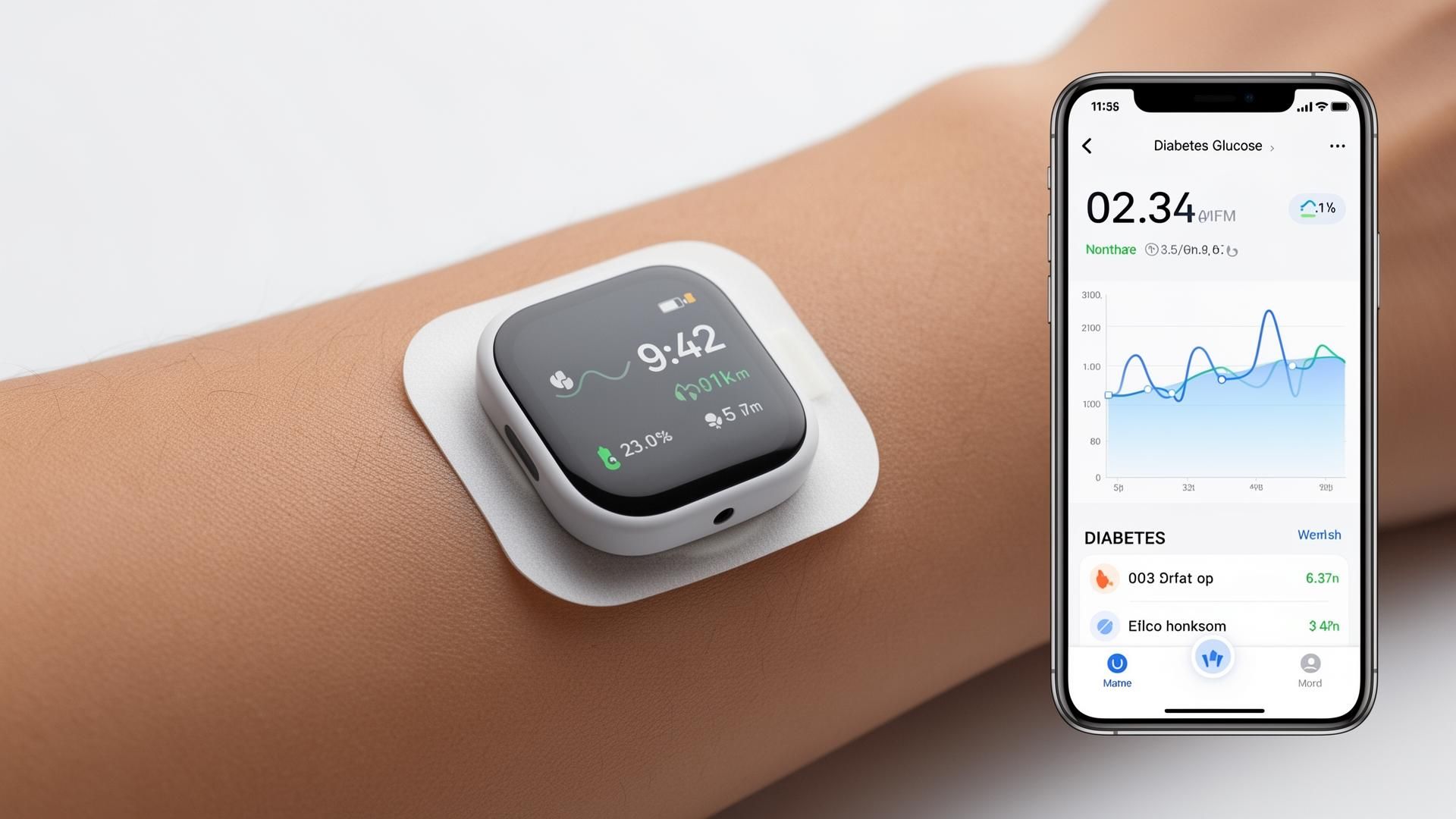
Continuous glucose monitors (CGMs) have become central to modern diabetes management. These small sensors, typically worn on the arm or abdomen, measure glucose levels every few minutes and transmit data to smartphones or dedicated receivers.
### Current CGM Options
**Dexcom G7**
The latest from Dexcom offers a smaller, more streamlined design with a 30-minute warm-up period. Its integration with insulin pumps and smartphones makes it a popular choice for patients seeking automated insulin delivery.
**Abbott FreeStyle Libre 3**
This compact sensor provides real-time glucose readings and trend arrows. Its affordability and ease of use have made CGM technology accessible to a broader population of patients with diabetes.
**Medtronic Guardian 4**
Designed to work seamlessly with Medtronic insulin pumps, this sensor is integral to the company closed-loop system.
### Beyond Glucose Numbers
Modern CGMs provide far more than point-in-time glucose values. Time in range metrics show the percentage of time glucose stays within target. Glucose variability measures indicate stability. Pattern analysis identifies recurring highs or lows related to meals, exercise, or sleep. These insights enable more precise therapy adjustments and help patients understand how daily choices affect their glucose control.
## Smart Insulin Pens: Intelligence for Injection Users
Not all patients with diabetes use insulin pumps, many prefer or require multiple daily injections. Smart insulin pens bring technology benefits to this population.
### How Smart Pens Work
Smart insulin pens connect to smartphone apps via Bluetooth, automatically logging injection times and doses. This eliminates the guessing game of "Did I take my insulin?" They track active insulin on board to prevent stacking, provide dose reminders, and some integrate with CGM data to suggest dose adjustments.
### Available Smart Pen Options
Products from InPen, NovoPen, and others offer varying features. Some use disposable pen cartridges while others are reusable devices. The key benefit across all systems is complete injection history that can be shared with healthcare providers for more informed therapy adjustments.
## Automated Insulin Delivery Systems
The holy grail of diabetes technology is the artificial pancreas, a system that automatically adjusts insulin delivery based on glucose levels. While we are not quite there yet, current hybrid closed-loop systems come remarkably close.
### How Closed-Loop Systems Work
These systems combine a CGM, insulin pump, and sophisticated algorithm. The CGM continuously measures glucose, the algorithm predicts glucose trends, and the pump automatically adjusts basal insulin delivery. Some systems can also deliver automatic correction boluses.
**Medtronic 780G**
This system adjusts basal insulin every 5 minutes and delivers automatic correction boluses. Users still bolus for meals but receive significant automation otherwise.
**Tandem t:slim X2 with Control-IQ**
Popular for its user-friendly touchscreen interface, this system works with Dexcom G6/G7 sensors to provide automated basal adjustments and correction boluses.
**Omnipod 5**
The tubeless pod system now offers automated insulin delivery with Dexcom CGM integration, providing freedom from tubing while maintaining closed-loop benefits.
### Limitations and Realistic Expectations
Current systems are hybrid, not fully automated. Users must still:
- Count carbohydrates and bolus for meals
- Change infusion sets and sensors regularly
- Respond to alerts and alarms
- Make manual adjustments in certain situations
Technology failures, skin issues, and alarm fatigue remain real challenges. These tools work best when patients are engaged and educated.
## What Is Coming Next
The diabetes technology pipeline promises exciting developments:
**Extended Wear Sensors**
CGMs lasting 14-21 days or longer will reduce the burden of sensor changes.
**Implantable Sensors**
Longer-term implanted sensors could provide glucose data for 6 months or more with improved accuracy.
**Dual-Hormone Systems**
Systems delivering both insulin and glucagon could further improve glucose control and reduce hypoglycemia risk.
**Non-Invasive Monitoring**
While truly non-invasive glucose monitoring remains elusive, research continues on optical and other sensing technologies.
## Choosing the Right Technology
The best diabetes technology is the one you will actually use. Factors to consider include:
- Insurance coverage and cost
- Lifestyle factors and activity level
- Comfort with technology
- Support system and training resources
- Integration with existing devices
During your consultation, we discuss which technologies align with your goals, lifestyle, and preferences. There is no one-size-fits-all answer, the optimal setup is highly individual.
## Getting Started
If you are interested in upgrading your diabetes technology, the first step is a comprehensive evaluation of your current management and goals. We review your glucose patterns, discuss challenges, and explore which technologies might benefit you most.
Modern diabetes technology cannot cure diabetes, but it can transform how you live with it. The goal is not just better numbers, it is greater freedom, less mental burden, and improved quality of life.
About the Author
Dr. Anna Frisch, MD, PhD
Dr. Anna Frisch is a board-certified endocrinologist with over 30 years of experience specializing in thyroid disorders, diabetes management, and hormone optimization. She founded Palm Beach Thyroid & Endocrinology Wellness to provide exceptional, personalized endocrine care to patients throughout Florida. She is one of the few board-certified endocrinologists in the US leading a cosmetic medicine practice.
This article is for educational purposes only and does not constitute medical advice. Please consult with your physician for personalized recommendations.
Stay Updated on Thyroid Health
Get the latest insights, research updates, and wellness tips from Dr. Anna Frisch delivered to your inbox.